Frequently Asked Questions
The most-asked questions about korean cuisine.
What is Korean cuisine and what defines it as a whole?
Korean cuisine is a culinary tradition built on fermentation, seasonal produce, and communal, shared-table eating. Its signature flavor profile layers gochugaru (Korean chili flakes), garlic, sesame, and fermented pastes like gochujang and doenjang rather than relying on heavy sauces or single-dish plating.
Who are the key figures or 'main characters' in the history of Korean food?
There is no single protagonist, but Joseon-dynasty court cooks codified the formal tradition, while market-town grandmothers (halmeoni) remain the living keepers of regional recipes. In the modern era, chefs and food personalities such as David Chang and Junghyun 'JH' Kim helped translate Korean flavors for a global audience.
Where should a complete newcomer start?
Bibimbap, kimchi jjigae, and Korean-style fried chicken are the most approachable entry points because they showcase the core flavor logic without requiring familiarity with a full spread of side dishes. From there, moving into bulgogi, tteokbokki, and regional specialties like Jeju's galchi-jeon builds a much fuller picture.
What is banchan and why is it so central?
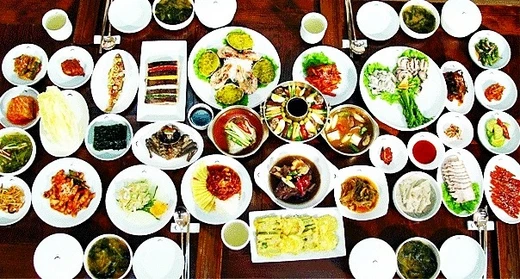
Banchan refers to the small shared side dishes—seasoned vegetables, fermented pastes, pickles, and fried items—that accompany virtually every Korean meal. They function as the 'supporting cast' of the table, adding texture, color, and a second or third flavor dimension to what might otherwise be a simple rice-and-protein plate.
What role does kimchi actually play in the cuisine?
Kimchi is less a single dish and more a fermentation technique applied to dozens of vegetables, yielding a spectrum from mildly tangy to intensely sour and spicy. It appears in stews, rice bowls, wraps, and as a standalone side, making it the connective thread that runs through nearly every category of Korean cooking.
How does Korean cuisine differ from neighboring Japanese and Chinese cuisines?
While all three share rice, noodles, and shared-table customs, Korean cooking leans harder into fermentation, raw or lightly cooked preparations, and a broader, more assertive use of chili heat. The emphasis on a rotating spread of banchan and a less compartmentalized, more communal plating style also sets it apart structurally.
What are the major regional variations a fan should know?
Jeju Island is known for black pork and croaker pancakes (galchi-jeon), the Gyeongsang region favors spicy seafood stews, and Chungcheong is celebrated for its distinctive doenjang and chewy rice cakes. Each area's climate and local ingredients create a recognizable 'accent' within the broader tradition.
What is a notable milestone in Korean food's rise on the world stage?
The 2013 UNESCO Intangible Cultural Heritage listing of the kimjang (communal kimchi-making) tradition gave the cuisine a formal international imprimatur. Around the same period, the rapid spread of Korean BBQ restaurants and the broader 'Korean wave' in food media accelerated its presence in Western cities.
What are the core flavor 'pillars' a fan should understand?
The backbone is the interplay of umami (from doenjang and gochujang), heat (gochugaru and fresh chilies), sweetness (from vegetables and a touch of sugar), and acidity (from vinegar, citrus, or fermented kimchi). Learning how those four notes balance inside a single bowl is essentially the grammar of the cuisine.
Is Korean cuisine really just about spicy food?
Not at all—dishes like samgyeopsal (plain grilled pork belly), haemul pajeon (seafood scallion pancake), and clear broths such as daengju highlight a milder, more delicate side. Spiciness is one tool in a much wider palette that also includes smoky, savory, sweet, and herbal notes.