Anju (food)
Korean term for food eaten with alcoholic drinks.

Wikipedia / Wikimedia Commons
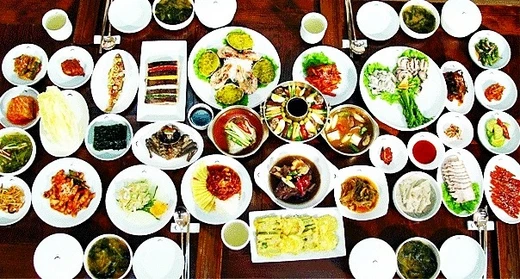
Anju (안주, 按酒) is the Korean word for any food eaten while drinking alcohol. This category includes both main dishes and side dishes, and the practice of pairing food with drinks is common across Korea, particularly when soju is involved. Some dishes are eaten almost exclusively as anju, such as golbaengi muchim, nogari with peanuts, and jokbal.
**History** During the Joseon period, alcohol was mostly served in jumaks—traditional inns or taverns—where guests were offered rice soups alongside drinks like makgeolli. Beer and Western foods were introduced to Korea largely through Japan in the late 19th and early 20th centuries, but their widespread adoption as anju is more commonly associated with American influence following the Korean War. Modern bar and pub culture developed significantly later, particularly in the 20th century, after the end of the Joseon period in 1910.
**By type of beverage** Certain foods are thought to pair best with specific drinks. Samgyeopsal (grilled pork belly) is considered ideal with soju, while fried chicken or seasoned Korean chicken goes well with beer. On rainy days, pajeon and makgeolli (or dongdongju) are a classic combination.
**By place where alcohol is served** South Korea has several types of drinking establishments, each offering different food and drink.
- **Jumak**: Unlike the historic inns, this modern bar concept is based on Korean culture and serves traditional anju such as pajeon, dubu-kimchi, or dotori-muk. - **Hof house** (호프 하우스): A German loanword for bars that sell inexpensive alcoholic drinks along with a variety of international dishes. - **Pojangmacha**: A tent set up on the roadside where alcohol and simple snacks are sold, usually featuring basic side dishes. - **Chimaek**: Restaurants specializing in fried chicken and beer.
- field
- Korean cuisine
- nationality
- Korean
- known_for
- Food consumed with alcohol, especially soju
- types
- Includes main dishes and side dishes; examples: golbaengi muchim, nogari with peanuts, jokbal
Lore & Background
Until the Joseon period, alcohol was mainly served in jumaks (a type of inn or tavern), where soups with rice, along with traditional alcohol such as makgeolli, were served to guests. Beer and Western foods were introduced to Korea largely through Japan in the late 19th and early 20th centuries, but their widespread adoption as anju is more commonly associated with American influence following the Korean War. Modern bar and pub culture developed significantly later, particularly in the 20th century, after the end of the Joseon period in 1910. Some foods are considered to be best complemented by certain types of alcohol. For example, samgyeopsal, grilled pork belly, is considered to go best with soju, while fried chicken or Korean seasoned chicken goes well with beer. Pajeon and makkeoli (or dongdongju) is a popular combination for rainy days.
Reader's Guide
Anju is a central element of Korean drinking culture, encompassing a wide range of dishes from simple snacks to full meals. Its significance lies in its role as a companion to alcohol, particularly soju, and its adaptation over time. Historically served in traditional inns called jumaks with soups and rice, anju expanded with the introduction of Western foods and beer from Japan in the nineteenth century, leading to new bar types and food pairings. Today, anju varies by beverage and venue: samgyeopsal pairs with soju, fried chicken with beer, and pajeon with makgeolli on rainy days. Different bar categories—such as jumak (conceptual Korean bars), hof houses (serving international dishes), pojangmacha (tent stalls with simple sides), and chimaek (fried chicken and beer restaurants)—each offer distinct anju. This diversity reflects anju's enduring legacy as a flexible, social food that bridges traditional and modern Korean drinking customs.
Did You Know?
- Anju includes both main dishes and side dishes consumed with alcohol.
- Golbaengi muchim, nogari with peanuts, and jokbal are types of food consumed primarily as anju.
- Pajeon and makgeolli (or dongdongju) is a popular combination for rainy days.
- Hof houses, a German loan word, sell relatively inexpensive alcoholic beverages and various international dishes as anju.
Definition and Cultural Role
Anju, written in Hangul as 안주 and in Hanja as 按酒, is the Korean designation for any food consumed in the company of alcoholic beverages. The category is remarkably wide, stretching from hearty main dishes to lighter side plates, and it reflects a cultural norm in Korea where drinking is rarely a solitary or foodless event. The custom is especially strong when soju is the drink on the table, as pairing it with an assortment of small plates is considered the natural way to enjoy the spirit. Within the broader world of anju, a few items have become so closely identified with the concept that they are thought of first and foremost as drinking food: golbaengi muchim, nogari served alongside peanuts, and jokbal. These three dishes are not merely good choices to have with a drink; they are, in the minds of many Koreans, quintessential anju. The practice underscores how deeply intertwined food and alcohol are in Korean social ritual.
Historical Evolution of the Drinking Table
The landscape of anju in Korea has shifted dramatically over the centuries. During the Joseon period and earlier, the primary setting for drinking was the jumak, a traditional inn or tavern where guests were served soups accompanied by rice alongside locally brewed spirits such as makgeolli. The food in these establishments was homegrown and rooted in Korean culinary tradition. A turning point arrived in the nineteenth century, when beer and a range of Western-style foods entered Korea, largely through Japanese influence. This influx transformed the drinking scene: bars and pubs began to flourish, and the repertoire of acceptable anju expanded well beyond traditional Korean dishes to include imported and Western preparations. The result was a dual tradition in which both indigenous and foreign foods could claim a place at the drinking table, a blend that persists in Korean bar culture to this day.
Beverage Pairings and Seasonal Choices
Korean drinking culture places considerable importance on matching the right food to the right beverage, and anju pairings are no exception. Samgyeopsal, grilled pork belly, is widely regarded as the ideal companion to soju, the clean spirit that complements the richness of the meat. Fried chicken, or Korean seasoned chicken, finds its natural partner in beer, a combination so popular that it has given rise to its own dedicated restaurant category. For overcast or rainy days, a beloved pairing is pajeon served with makgeolli or dongdongju, a combination that evokes warmth and comfort. These pairings are not arbitrary; they reflect a long-standing intuition about how the character of each drink interacts with specific dishes. The result is a nuanced system in which the choice of anju is as deliberate as the choice of the drink itself, and the pairing becomes part of the experience rather than an afterthought.
A Spectrum of Venues
South Korea's drinking establishments are far from uniform, and the type of venue you choose shapes both the drinks available and the anju on the menu. A modern jumak, distinct from the traditional inns of the Chosun Dynasty, is a bar built around Korean cultural identity, offering classic anju such as pa-jun, dubu-kimchi, or dotori-muk alongside its selected beverages. Hof houses, a term borrowed from German, focus on a broad range of relatively affordable alcoholic drinks and complement them with a variety of international dishes. Pojangmacha, roadside tent stalls, represent the most casual end of the spectrum, selling simple side dishes and drinks in an open-air, informal setting. Then there is chimaek, a dedicated restaurant concept built entirely around the pairing of fried chicken with beer. Together, these venues illustrate how anju is not a single experience but a spectrum of settings, each with its own food and drink identity.
Gallery

Frequently Asked Questions
What is Anju in Korean cuisine?
Anju is the Korean term for any food specifically paired with an alcoholic drink during a meal or gathering. It covers both substantial dishes and smaller sides, and the pairing is most strongly associated with soju.
What are classic examples of Anju?
Frequently cited Anju items include golbaengi muchim (marinated chicken skin), nogari with peanuts (salted hairtail), and jokbal (pig's feet). These dishes are often prepared or chosen specifically to complement a drink rather than to stand alone as a meal.
How did the Anju tradition develop?
During the Joseon period, traditional taverns known as jumaks served rice soups alongside makgeolli, establishing an early pattern of pairing food with alcohol. Western-style snacks and beer later entered Korean drinking culture largely through Japanese influence.
Why is Anju so central to Korean social life?
The food-and-drink pairing gives gatherings a shared, unhurried rhythm that extends conversation and bonding at the table. It also tempers the alcohol's effects, making prolonged drinking sessions more comfortable and communal.
Is Anju the same thing as banchan (side dishes)?
Not quite—banchan accompany any Korean meal, whereas Anju is defined by its role alongside alcohol. Certain items like jokbal or nogari with peanuts are consumed almost exclusively as Anju rather than as everyday banchan.
More in Korean cuisine 1-24
Spotted an error? Know more?
This is a living reference — every entry is fact-audited, and reader corrections feed straight into our audit queue. Suggest an edit · See this site's audit record