Chili powder
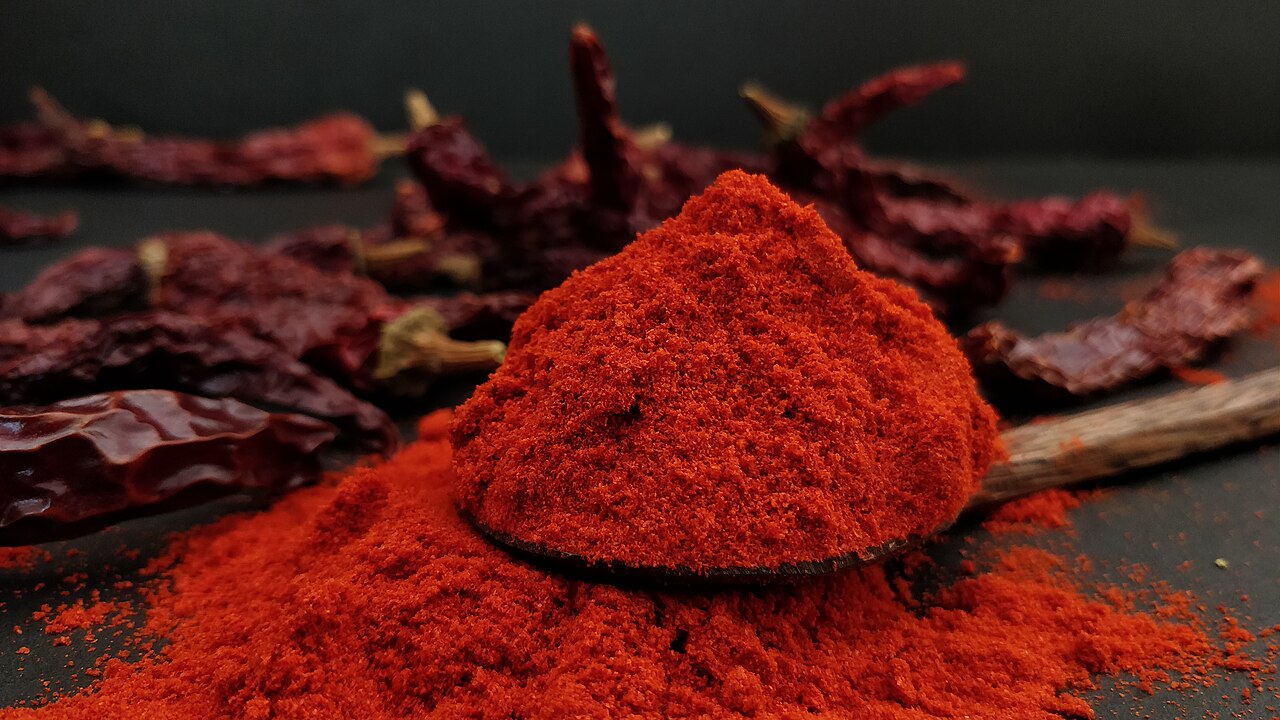
Dried, pulverized chili pepper used as a spice or blend.

Wikipedia / Wikimedia Commons
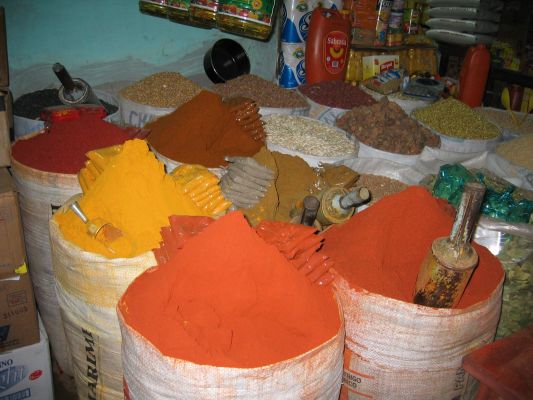
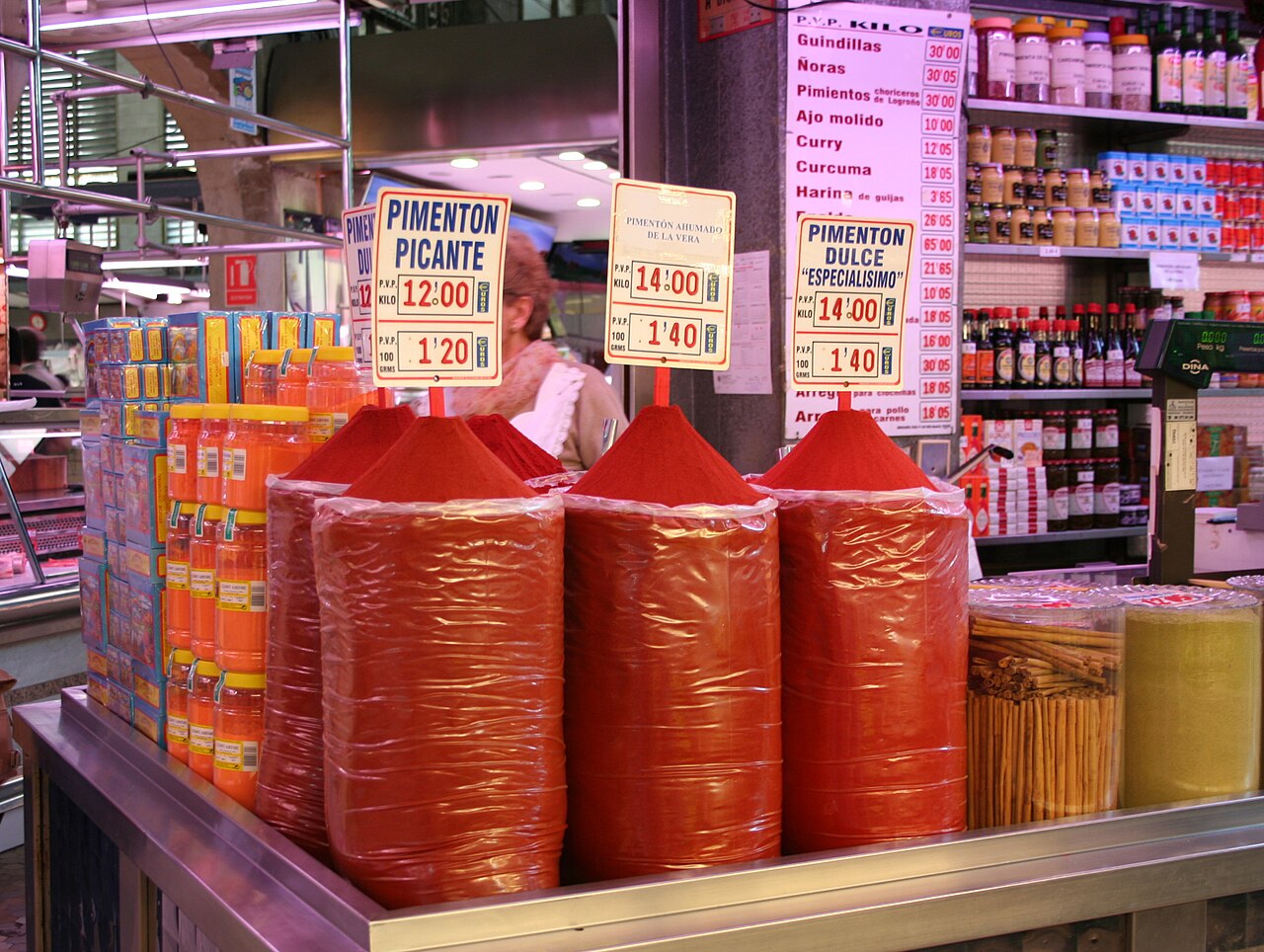
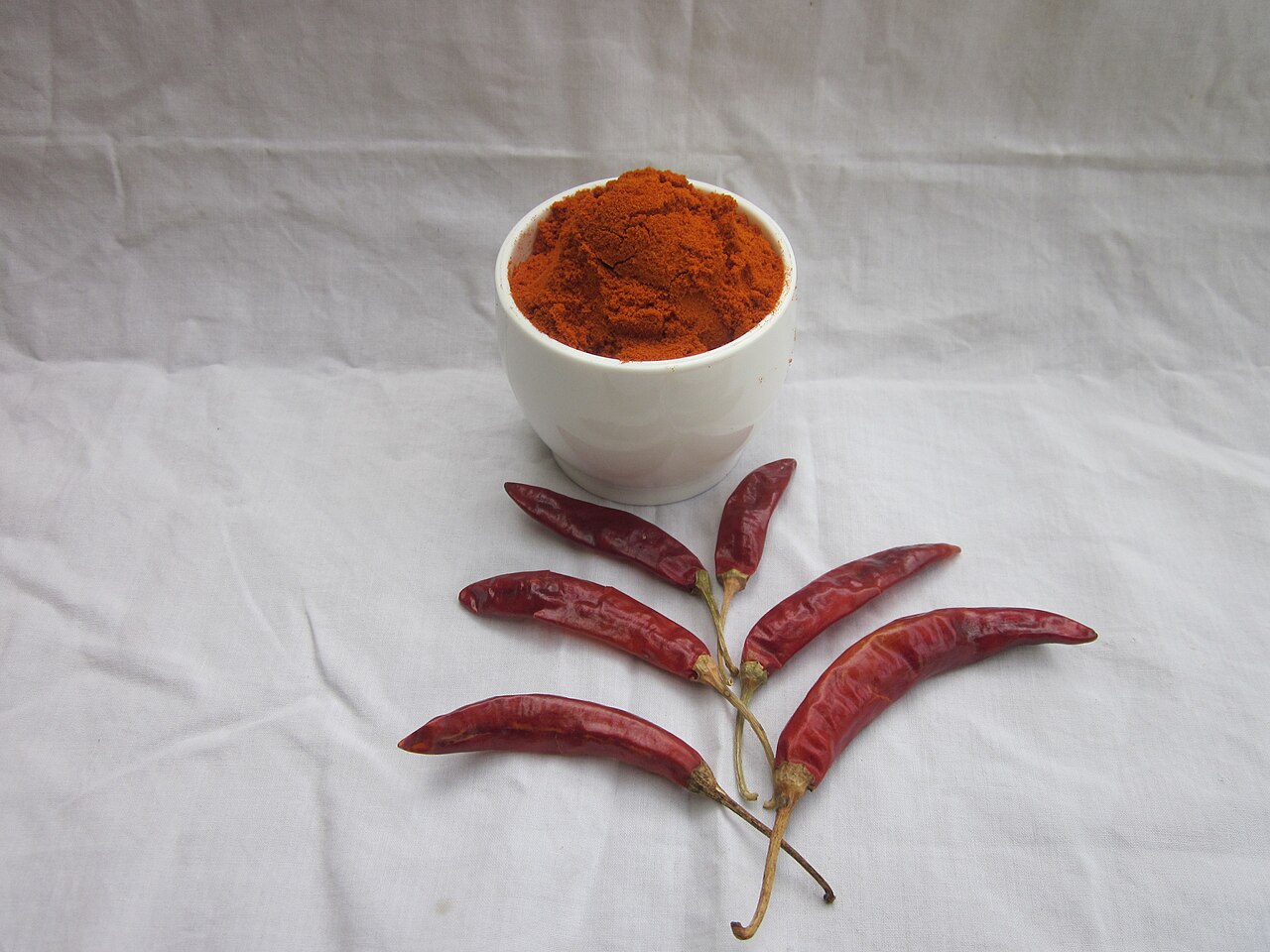
Chili powder—also called chile, chilli, or powdered chili—is made from dried, ground chili peppers, either from a single variety or a mix. When other spices are added, it’s often referred to as a chili powder blend or chili seasoning mix. This spice or blend is used to give dishes heat and flavor. Spelling varies by region: in American English, “chili” is standard; in British English, “chilli” (with two Ls) is always used. The powder appears in many cuisines, including American (especially Tex-Mex), Chinese, Indian, Sri Lankan, Bangladeshi, Mexican, Nigerian, Portuguese, Vietnamese, and Thai.
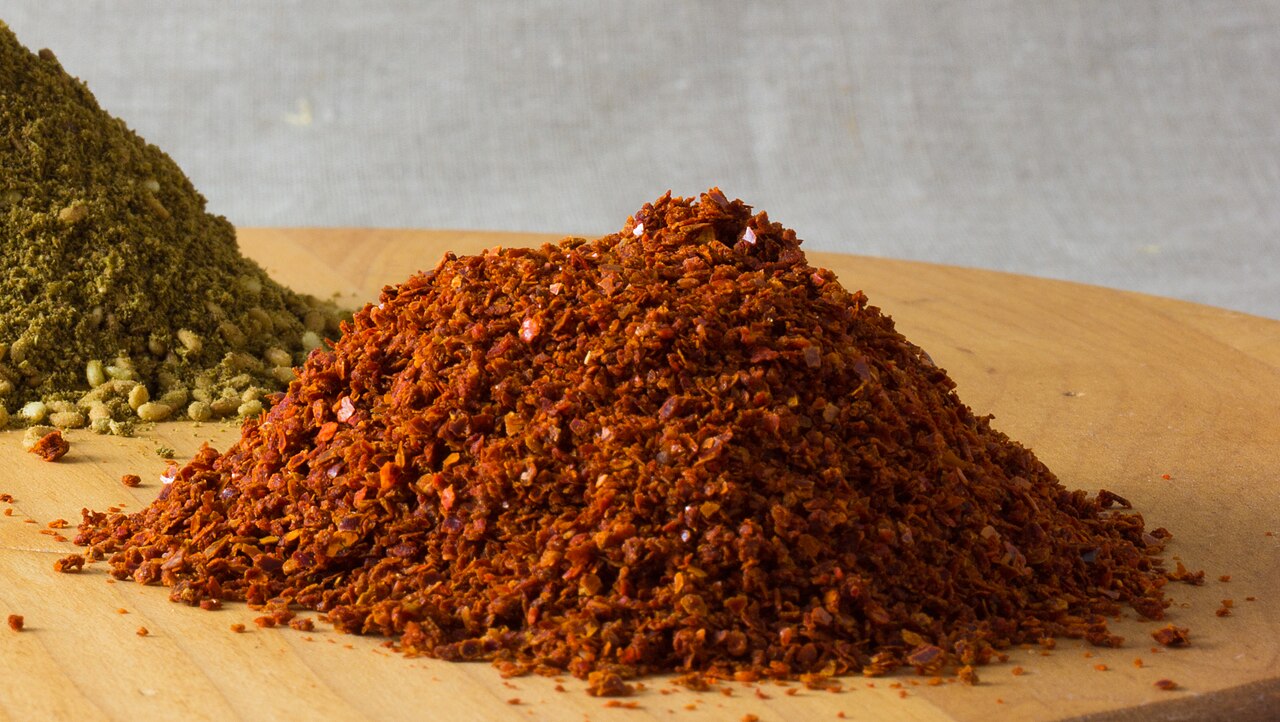
Different types of chili powder are named after the pepper used. Common varieties include Aleppo, ancho, cayenne, chipotle, chile de árbol, jalapeño, New Mexico, pasilla, and piri piri. Gochugaru, a Korean variety, is traditionally made from sun-dried taeyang-cho peppers, with spicier versions using Cheongyang peppers. Ata gun gun powder is widely used in Yoruba cuisine. Kashmiri chili powder, named after the Kashmir region, is bright red but mild in heat and common in Indian cooking.
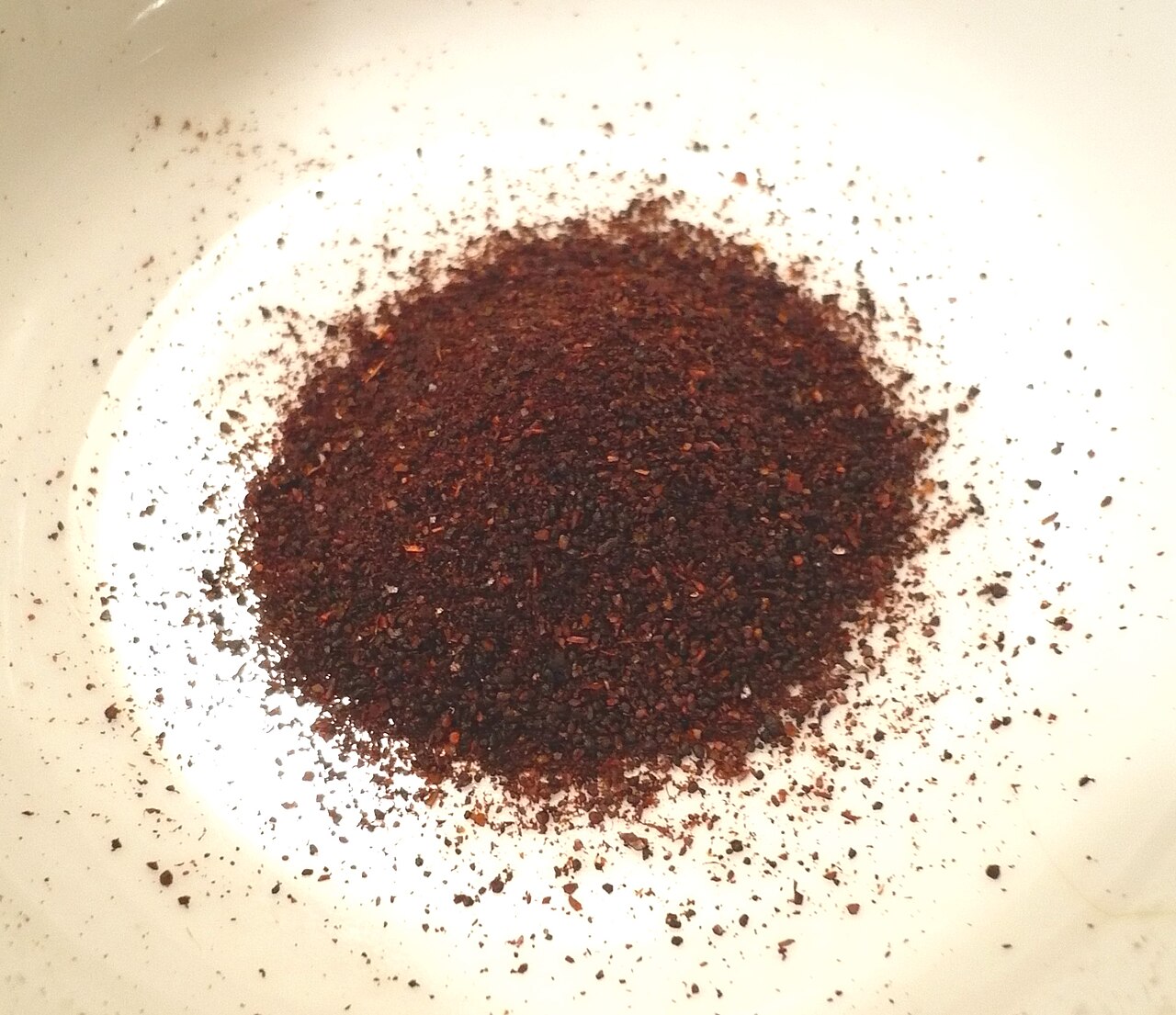
Chili powder blends are mostly chili peppers mixed with spices like cumin, onion, garlic powder, and sometimes salt. They usually use red chili peppers; hotter blends often include cayenne pepper. The heat level varies because recipes differ. The first commercial chili powder blends in the U.S. were created by D.C. Pendery and William Gebhardt for chili con carne. Gebhardt, who owned Miller’s Saloon in New Braunfels, Texas, found that chili peppers were only available seasonally. He imported ancho peppers from Mexico, ground them three times in a small meat grinder, and produced the first commercial chili powder in 1894. Chili blends also appear in spice mixes like Yaji.
Chili powder is common in traditional African, Latin American, and Asian cooking. It’s used in soups, ewa agoyin, tacos, enchiladas, fajitas, curries, and meat dishes. Chili powder blend is the main flavor in American chili con carne.
- type
- Spice or spice blend
- primary ingredient
- Dried, pulverized chili pepper fruit
- common spellings
- chili (American English), chilli (British English)
- first U.S. commercial blends
- Created by D.C. Pendery and William Gebhardt for chili con carne
- year of first commercial chili powder
- 1894
- cuisines used in
- American, Chinese, Indian, Sri Lankan, Bangladeshi, Mexican, Nigerian, Portuguese, Vietnamese, Thai
Lore & Background
Chili powder is made from one or more varieties of chili pepper, including Aleppo, ancho, cayenne, chipotle, chile de árbol, jalapeño, New Mexico, pasilla, and piri piri. Specific regional varieties include Gochugaru, used in Korean cuisine and traditionally made from sun-dried Korean red chili peppers known as taeyang-cho, with spicier versions using Cheongyang peppers. Ata gun gun powder is widely used in Yoruba cuisine, and Kashmiri chili powder, named after the region of Kashmir, is bright red but mild in heat and used in Indian cuisine.
Reader's Guide
Chili powder blends are composed chiefly of chili peppers and blended with other spices including cumin, onion, garlic powder, and sometimes salt. The chilies are most commonly red chili peppers; 'hot' varieties usually also include cayenne pepper. As a result of varying recipes, the spiciness of any given chili powder is variable. The first commercial blends of chili powder in the U.S. were created by D.C. Pendery and William Gebhardt for chili con carne. Gebhardt opened Miller's Saloon in New Braunfels, Texas, where chili was the town's favorite dish. Because chili peppers could only be found at certain times of the year, Gebhardt imported some ancho peppers from Mexico and ran them through a small meat grinder three times, creating the first commercial chili powder in 1894. Chili blends are also found in spice blends like Yaji. Chili powder is very commonly seen in traditional African, Latin American, and Asian cuisine, used in soups, ewa agoyin, tacos, enchiladas, fajitas, curries, and meat. Chili powder blend is the primary flavor in American chili con carne.
Did You Know?
- The first commercial chili powder in the U.S. was created in 1894 by William Gebhardt using ancho peppers ground three times through a small meat grinder.
- Kashmiri chili powder is bright red but mild in heat, named after the region of Kashmir.
- Gochugaru is a Korean chili powder variety traditionally made from sun-dried Korean red chili peppers called taeyang-cho.
- Chili powder blends may include cumin, onion, garlic powder, and salt, with hot varieties often containing cayenne pepper.
The Birth of a Commercial Spice (1894)
In the late nineteenth century, the small Texas town of New Braunfels had a culinary obsession: chili. But the peppers that gave the dish its signature heat were seasonal, available only at certain times of the year. That limitation changed in 1894, when William Gebhardt, owner of Miller's Saloon where chili was the town's favorite dish, decided to solve the problem. Together with D.C. Pendery, he imported ancho peppers from Mexico and ran them through a small meat grinder three times, producing what is recognized as the first commercial chili powder in the United States. This humble act of grinding dried fruit into a fine, shelf-stable powder transformed a seasonal ingredient into a year-round pantry staple. The innovation was born not in a laboratory or a corporate kitchen, but in a saloon where a cook simply wanted to keep serving his community's beloved dish. That 1894 breakthrough set the stage for chili powder to become a defining element of Tex-Mex cooking and, eventually, a global seasoning.
A Spice Without Borders
Few pantry staples command the kind of cross-continental presence that chili powder enjoys. From the smoky kitchens of Tex-Mex restaurants to the vibrant cooking traditions of Nigeria, from the curries of India and Sri Lanka to the stews of Portugal and the preparations of Vietnam and Thailand, this dried, pulverized pepper fruit appears as a foundational seasoning. In China it lends warmth to regional dishes; in Bangladesh it deepens the complexity of everyday cooking; in Korea the sun-dried taeyang-cho pepper becomes gochugaru, a powder with its own cultural identity. Even in Yoruba cuisine, a specific preparation called ata gun gun powder carries the same essential role. The spelling itself shifts with geography: American English favors "chili" with a single l, while British English consistently doubles it to "chilli." Yet regardless of orthography or continent, the function remains constant: to inject piquancy and layered flavor into soups, tacos, enchiladas, curries, and countless meat dishes. Chili powder is, in the truest sense, a universal language of heat.
The Peppers Behind the Powder
Not all chili powder is created equal, and the specific pepper variety chosen shapes the final product's color, heat, and aromatic profile. A single preparation might feature ancho, chipotle, or chile de árbol, while another might rely on cayenne for a sharper bite or jalapeño for a milder, greener note. In New Mexico, the locally grown pepper of that name has long been the backbone of regional cooking. The piri piri pepper, a recognized variety in its own right, brings a distinct character to the blends it enters. Kashmiri chili powder, named after the northern Indian region, is prized for its vivid red hue while remaining relatively mild in heat, a quality that makes it a favorite in Indian cooking where color matters as much as spice. In Korea, the traditional gochugaru is made from sun-dried taeyang-cho peppers, with spicier versions incorporating Cheongyang peppers. Each variety carries the tradition of its origin, meaning a pinch of chili powder from one region can taste worlds apart from the same quantity sourced elsewhere.
The Art of the Blend
While a single-variety chili powder offers a pure, focused heat, the true versatility of the spice emerges in the blend. A typical chili powder mix combines dried red chili peppers with cumin, onion powder, garlic powder, and sometimes salt, creating a compound seasoning that delivers both piquancy and savory depth. Hotter varieties frequently incorporate cayenne to push the heat level higher. Because recipes vary widely from producer to producer, the spiciness of any given jar is inherently unpredictable, a characteristic that keeps home cooks experimenting. In American cuisine, this blend is the primary flavoring agent in chili con carne, the very dish that gave the powder its commercial life in 1894. Beyond the Western kitchen, blended preparations appear in forms like Yaji, a spice mix that similarly layers chili with complementary aromatics. Whether sprinkled over fajitas, stirred into a Nigerian soup, or dusted across a plate of meat, the blend format transforms a simple dried fruit into a complete flavor architecture.
Gallery
Frequently Asked Questions
What exactly is chili powder?
Chili powder is a spice produced by drying and grinding chili pepper fruit into a fine powder. It can come from a single pepper variety or a combination of several. When extra spices are folded in, the product is usually called a chili powder blend or chili seasoning mix.
Who created the first commercial chili powder blend in the United States?
D.C. Pendery and William Gebhardt are credited with developing the first U.S. commercial chili powder blends, originally formulated for chili con carne. This milestone occurred in 1894.
How does the spelling of the word vary by region?
In American English the standard spelling is "chili" with a single L. In British English the word is consistently written as "chilli" with two Ls.
What purpose does chili powder serve in a dish?
Its main job is to deliver heat and layered flavor to whatever it seasons. Because of that versatility, it shows up across a very wide range of culinary traditions.
Which cuisines around the world make use of chili powder?
It is a staple in American (especially Tex-Mex), Chinese, Indian, Sri Lankan, Bangladeshi, Mexican, Nigerian, Portuguese, Vietnamese, and Thai cooking. That breadth of use makes it one of the most globally distributed ground spices.
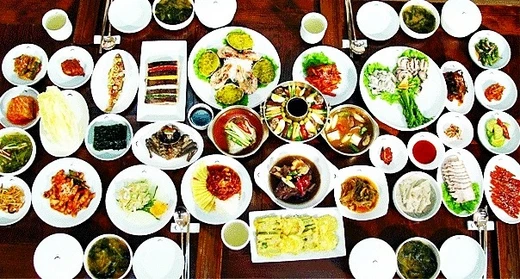
More in Korean cuisine 1-24
Spotted an error? Know more?
This is a living reference — every entry is fact-audited, and reader corrections feed straight into our audit queue. Suggest an edit · See this site's audit record