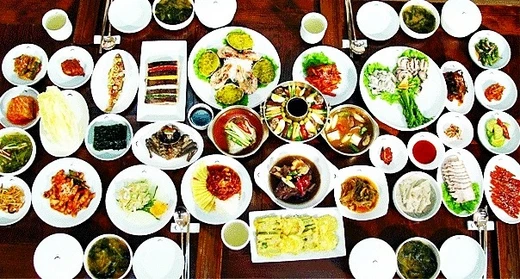
Korean regional cuisine
Regional cuisines preserved local tastes until modern transportation integrated them.

Wikipedia / Wikimedia Commons
Korean regional cuisine is defined by local ingredients and cooking styles that have been preserved through generations. These culinary traditions were shaped by the historical boundaries of the eight provinces from the Joseon period, long before Korea split into North and South in 1948.
The northern region included Hamgyong and Pyongan Provinces. The central region covered Gyeonggi and Chungcheong Provinces, while Gangwon Province was a separate province in the eight-province system. The southern region consisted of Gyeongsang and Jeolla Provinces. Until the late 1800s, poor transportation meant each province kept its own tastes and methods. Geographic differences—climate, agriculture, and natural foods—also influenced local specialties. Modern transportation and foreign foods have since blurred these lines, but many traditional regional dishes still survive.
**Northern Region**
**Pyongan Province**
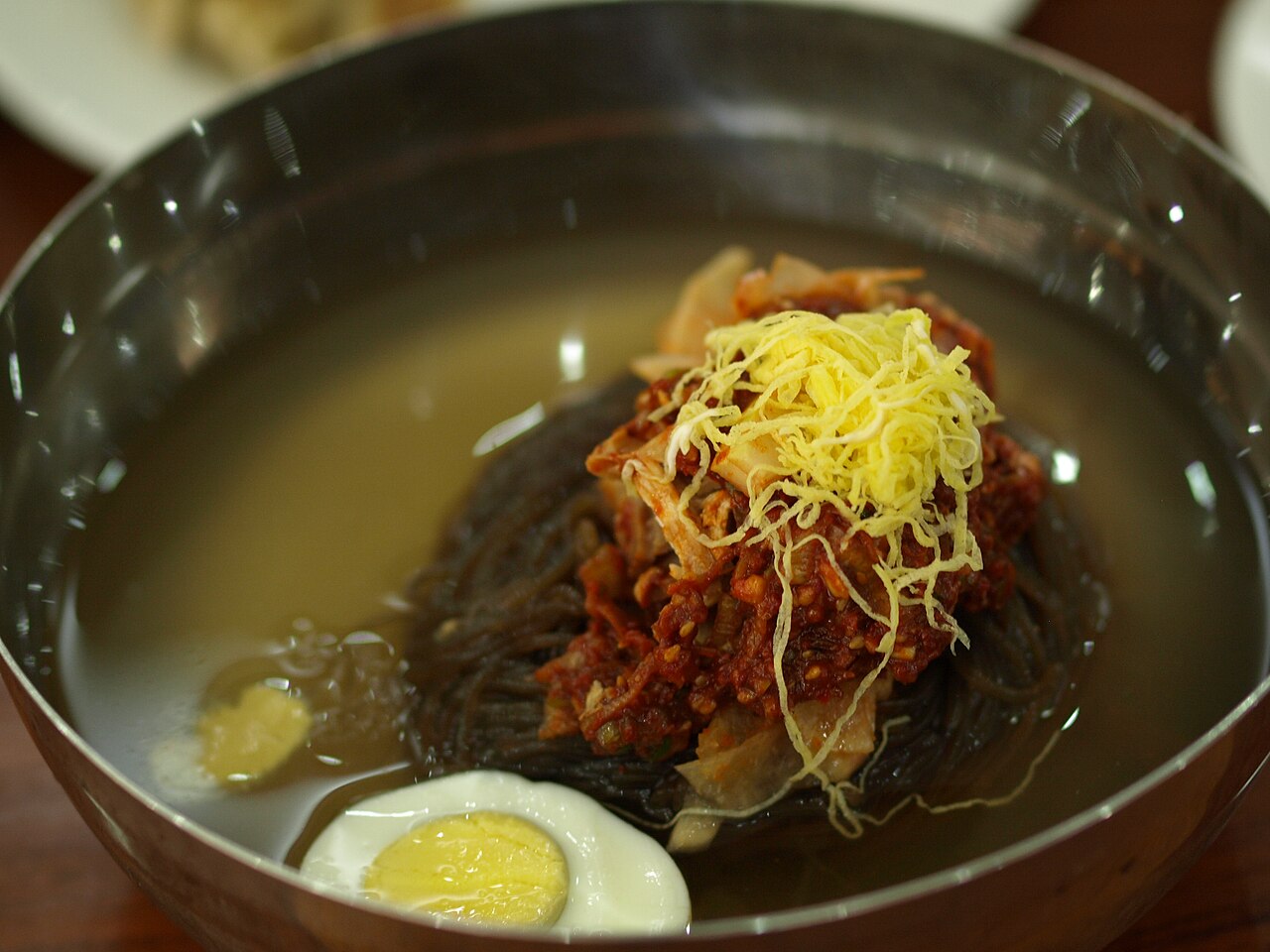
Pyongan cuisine has a continental style, shaped by early Manchurian influence. Dishes are made large to look abundant. Jobap, a mix of steamed rice and millet, often replaces plain steamed rice. Grain-flour foods like naengmyeon (cold buckwheat noodles) and mandu (dumplings) are common. The taste is generally mild, with fatty foods eaten in winter. Meals are practical and social. Kimchi here is mostly dongchimi (water kimchi), often used as broth for naengmyeon.
Main dishes include gukbap (soup with rice), kimchi mari (cold kimchi broth with rice), dakjuk (chicken porridge), Pyongyang naengmyeon, eobok jaengban (pressed beef on a brass plate), gangnyang guksu (corn noodles in cold broth), Pyongyang manduguk (dumpling soup), and gulmandu (small uncovered dumplings).
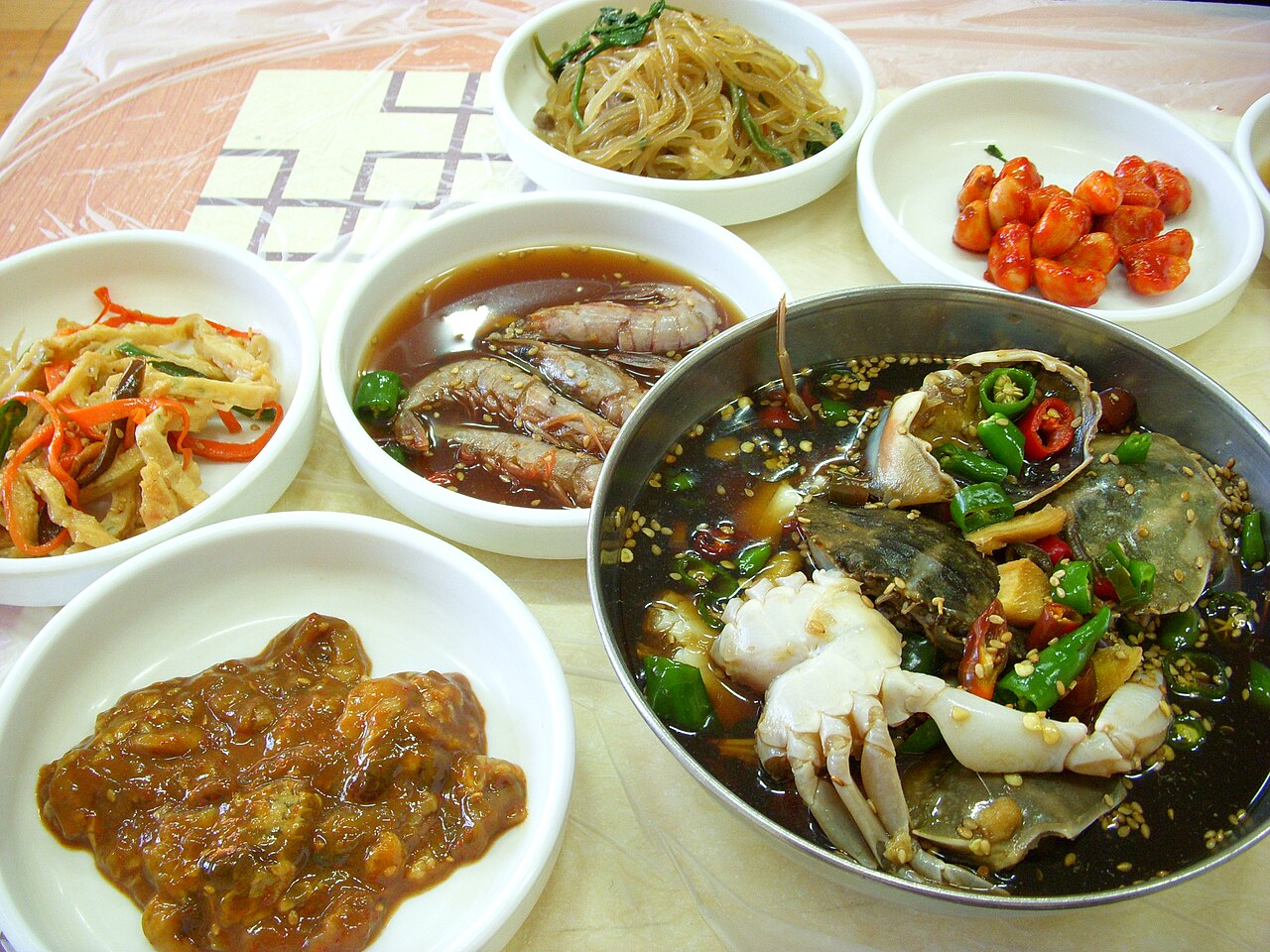
Side dishes include ttokttoki jaban (seasoned shredded beef), mucheonggom (braised radish leaves and beef), deopuljang (fermented soybean paste), danggochujang bokkeum (stir-fry in chili paste), dwaeji gogijeon (pork pancakes), naengchae (cold salad), Yongpyon gimjang kimchi, gaji kimchi (pickled eggplant), baek kimchi (no chili), and kkotge jjim (steamed horse crab). Soups and stews include oi tojangguk (cucumber soybean paste soup) and naepotang (kimchi and chitterling stew).
Rice cakes have unusual names and are larger and simpler than Seoul’s. Examples: songgi tteok (made with pine bark), golmi tteok (thimble-shaped), kkojang tteok (covered with steamed bean crumbles), ppong tteok (steamed
- Region
- Korean Peninsula
- Historical Basis
- Eight provinces of the Joseon period
- Northern Provinces
- Hamgyong, Pyongan
- Central Provinces
- Gyeonggi, Chungcheong
- Southern Provinces
- Gyeongsang, Jeolla
- Separate Province
- Gangwon
- Key Influences
- Manchurian, geographic, and climatic factors
Lore & Background
Until the late 19th century, transportation networks were not well developed, and each provincial region preserved its own characteristic tastes and cooking methods. Geographic differences are reflected by local specialty foodstuffs depending on climate and types of agriculture, as well as natural foods available. With modern development of transportation and introduction of foreign foods, Korean regional cuisines have tended to overlap and integrate, yet many unique traditional dishes have been handed down through generations.
Pyongan cuisine, based in Pyongan Province, is characterized as a continental style due to early Manchurian influence. Dishes are made into large shapes to appear abundant. Jobap, a bowl of mixed steamed rice and millet, is commonly served, and foods made with grain flour such as naengmyeon (cold buckwheat noodles) and mandu (dumplings) are common. The cuisine's taste is generally bland, with fatty foods enjoyed during winter. Pyongyang, the capital of North Korea and former provincial capital of Pyongan province, shares this tradition; its most famous local food is Pyongyang naengmyeon, also called mul naengmyeon.
Hamgyong province, in the far northern region, comprises steep mountains and valleys facing the Sea of Japan. Cereal crop farming is developed, yielding diverse high-quality cereals. Hamgyong cuisine is not salty but uses garlic and chili pepper heavily. Hamhung naengmyeon, a cold noodle dish, is made with a chili powder-based sauce called dadegi and topped with hoe (sliced raw fish). The Ryanggang and Chagang provinces, formerly part of Hamgyong and Pyongan provinces, are mountainous and landlocked; there, Indian mustard leaves (gat) are used for kimchi, and potatoes are harvested abundantly, leading to up to 80 distinct potato dishes.
Reader's Guide
Korean regional cuisines matter because they preserve culinary traditions tied to historical provincial boundaries, reflecting geographic and climatic differences across the Korean peninsula. The northern, central, and southern regions each developed distinct tastes and cooking methods due to limited transportation until the late 19th century. Pyongan cuisine shows Manchurian influence with large, abundant dishes and bland flavors, while Hamgyong cuisine emphasizes garlic, chili, and high-quality cereals. The integration of cuisines after modern transportation development has led to overlap, but traditional dishes like Pyongyang naengmyeon, Hamhung naengmyeon, and gat kimchi remain iconic. These regional cuisines offer insight into Korea's pre-modern administrative divisions and the adaptation of food to local environments, from the cold northern provinces to the southern regions. The continued existence of unique dishes demonstrates the resilience of local food heritage despite national division and modernization.
Did You Know?
- Pyongyang naengmyeon was originally eaten in homes with ondol (traditional underfloor heating) during cold winter, humorously called 'Pyongyang deoldeori' (shivering in Pyongyang).
- Hamhung naengmyeon is topped with hoe (sliced raw fish) seasoned with hot and spicy sauce, differing from naengmyeon eaten in the rest of North Korea.
- In Ryanggang and Chagang provinces, Indian mustard leaves (gat) are used for kimchi because Napa cabbage does not grow well there.
- Taedonggang sungeoguk, a trout soup from the Taedong River, is served as a courtesy to important guests visiting Pyongyang.
Agricultural Roots and the Evolution of Northern Korean Cooking
The culinary identity of North Korea is deeply rooted in the agricultural and nomadic practices that developed across southern Manchuria and the Korean Peninsula over many centuries. These early traditions shaped a food culture in which rice dishes and kimchi remain the foundational staples of daily eating. A traditional Northern Korean meal typically pairs these staples with an array of side dishes known as panch'an and main courses such as chuk (porridge), pulgogi (grilled meat), or myŏn (noodles). The cuisine has never remained static; rather, it has been continuously reshaped by the complex interplay of the natural environment, shifting cultural trends, and centuries of social and political upheaval on the peninsula. Soju, the best-known traditional Korean spirit, also occupies a central place in this culinary landscape, often accompanying meals and social gatherings. The overall result is a food tradition that reflects both the land's material resources and the layered historical forces that have shaped the northern half of the Korean Peninsula.
The Dual Heritage of Raengmyŏn
No single dish better represents North Korean culinary identity than raengmyŏn, known in the South as naengmyeon. The most celebrated version, P'yŏngyang-raengmyŏn, is served in a large, deep bowl filled with a cold broth prepared from beef, pheasant, or tongch'imi. Hand-pulled buckwheat noodles are placed in this chilled broth and topped with pickled radish, eggs, and other garnishes, with vinegar and a diluted mustard seed condiment offered on the side. A distinctly different tradition emerges from the city of Hamhung: hoe raengmyŏn, a mixed preparation in which the noodles—typically made from potato or sweet potato starch, giving them a noticeably chewier texture—are combined with marinated raw skate, koch'ujang, and a variety of other ingredients. Diners further adjust the flavor to their preference with vinegar, sugar, and sometimes sesame oil. Together, these two versions demonstrate how regional identity and locally sourced ingredients can produce markedly different expressions of what is, at its core, a shared cold-noodle tradition.
Class, Scarcity, and the Politics of the Table
In North Korea, what one eats is inextricable from one's position within the sociopolitical hierarchy. Beef rib soup, for instance, is a dish reserved for high-ranking individuals because cows are essential to commoners' farming work. Restaurants in Pyongyang carry prices that are unaffordable for the average worker, making them accessible primarily to well-paid government leaders, foreign tourists, and the emerging tonju class—those 'masters of money' who hold government posts, manage state-owned businesses abroad, or facilitate investment and imports. Even a box of twenty Shin Ramyun instant noodle packages, nicknamed 'money ramen' for its steep price of around 30,000 North Korean won in 2009, sits beyond the reach of most citizens. Meanwhile, commoners stretch their meals by grinding corn cobs and husks into flour to extend the mixture. The table, in North Korea, is a clear map of power and privilege.
Street Food, Symbolism, and Regional Character
North Korean food culture extends well beyond the formal meal into vibrant street food traditions and deeply held symbolic practices. In Nampo, vendors prepare a striking dish called namp'o hwibaryu chogaegui, where petrol clams are doused in fuel and set ablaze for five to ten minutes. In Pyongyang, food stalls line the streets, and kogi bap—rice served with artificial meat—has become a popular quick option. The first pizzeria in the country opened in 2009, signaling a gradual opening to foreign food concepts. Symbolism runs deep in the culinary tradition: long noodles are served at weddings because they represent a long life or a long marriage. Regional identity is also embedded in the food—Kaesong is known for its square-shaped p'yŏnsu dumplings and the pansangi arrangement of rice, broth, and fermented vegetables, while mandu styles vary from region to region. These details reveal a cuisine that is as much about place, meaning, and community as it is about sustenance.
Gallery
Frequently Asked Questions
What is Korean regional cuisine?
Korean regional cuisine refers to the distinct food traditions of different areas across the Korean Peninsula, each built around locally available ingredients and cooking methods handed down through generations. These culinary identities predate the 1948 division of Korea and trace their organizational roots to the eight-province system of the Joseon era.
Which provinces make up Korean regional cuisine?
The framework divides the peninsula into northern (Hamgyong and Pyongan), central (Gyeonggi and Chungcheong), and southern (Gyeongsang and Jeolla) groupings, with Gangwon recognized as its own separate province. This eight-province structure from the Joseon period is the historical backbone of how Korean food culture is mapped by region.
How did Korean regional cuisine develop?
Sparse transportation links kept communities largely cut off from one another until the late 1800s, letting each province refine its own flavors and techniques in relative isolation. Over many generations, families preserved these distinct local styles, producing a patchwork of regional food identities across the peninsula.
Why is Korean regional cuisine important?
It embodies centuries of localized food knowledge and cultural identity tied to specific landscapes, seasons, and community practices. Keeping these traditions alive maintains the unique tastes and methods each province cultivated before modern logistics began blending them into a more uniform national cuisine.
What changed Korean regional cuisine over time?
The spread of modern transportation networks gradually connected provinces that had been effectively sealed off from one another for generations. This integration mixed once-distinct regional flavors into a broader Korean food scene, while the older local styles persisted as living cultural heritage.
More in Korean cuisine 1-24
Spotted an error? Know more?
This is a living reference — every entry is fact-audited, and reader corrections feed straight into our audit queue. Suggest an edit · See this site's audit record