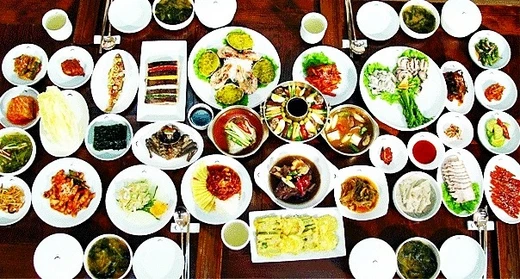
Drinking culture of Korea
Korean drinking culture intertwines with social bonds, rituals, and workplace life.
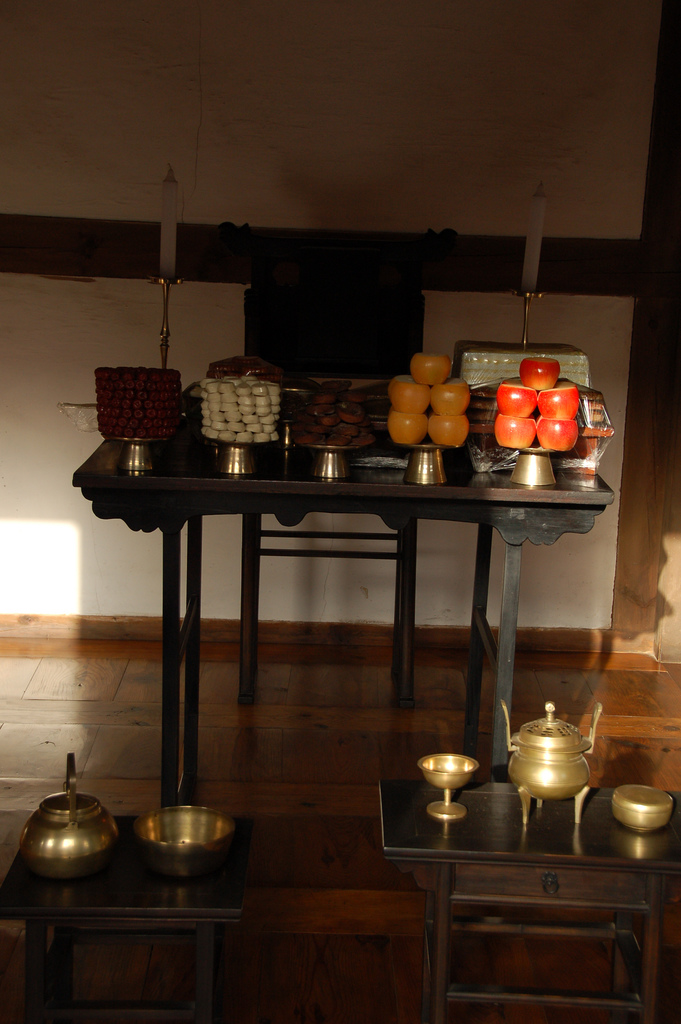
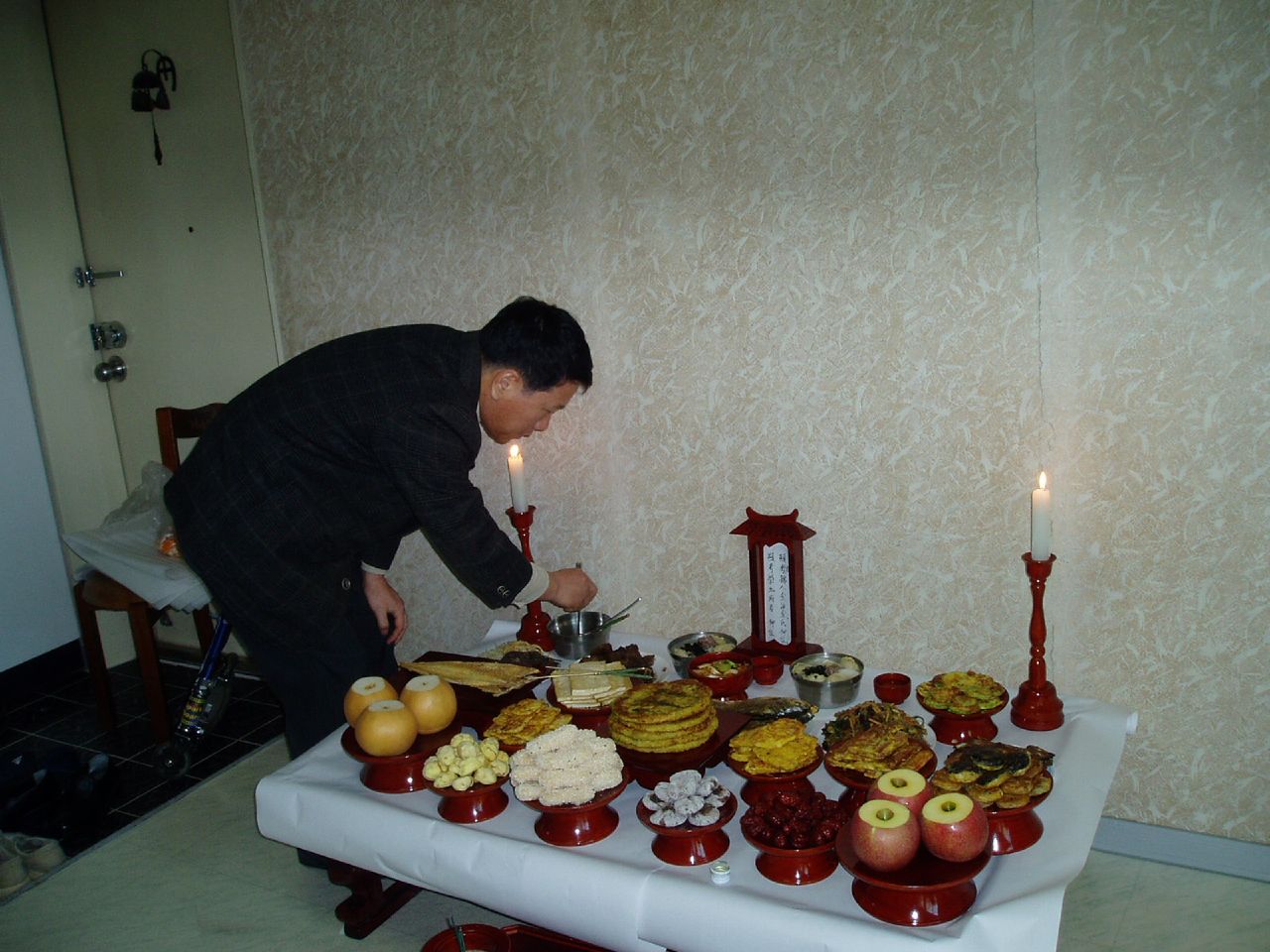
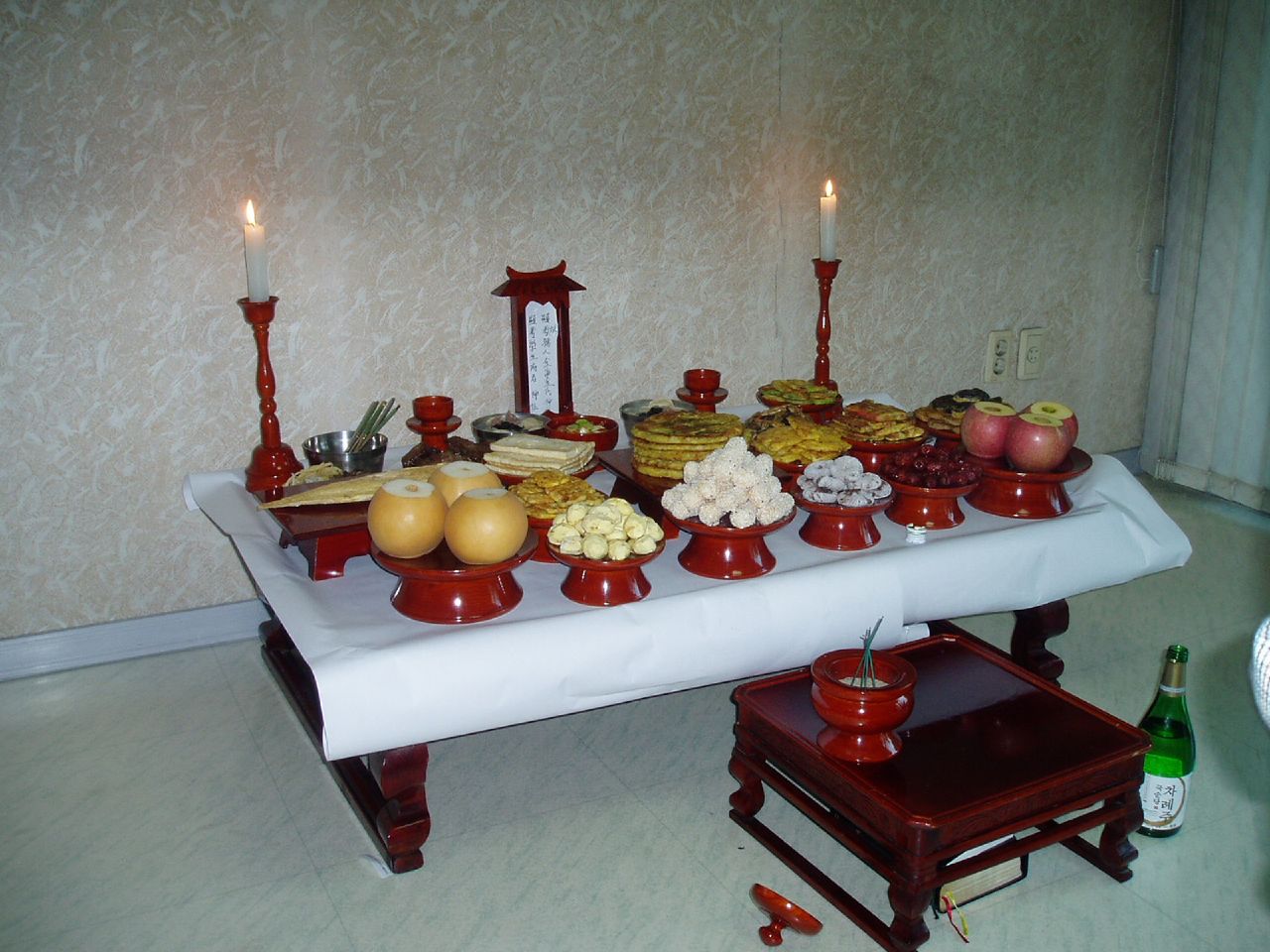
In Korea, drinking is deeply woven into social life, traditions, and family bonds. The practice of making alcohol took off during the Koryo Dynasty (936–943), after exposure to other cultures and the arrival of distilled water gave people the know-how to distill spirits. Alcohol helps strengthen ties between relatives and friends, and it plays a key role in family rituals like honoring ancestors.
Historically, Koreans have long used alcohol to mark holidays and seasonal events, offering drinks to ancestors and sharing goodwill with neighbors. Drinking was tied to the farming calendar: after the harvest, farmers spent the off-season brewing and fermenting alcohol in anticipation of spring. Field workers would often start the day with a glass of rice wine (takju) and a light breakfast, working to the sound of traditional nongak music.
At Korean New Year, people drank soju to ward off disease and evil spirits. On Daeboreum, the 15th day of the lunar new year, families watch the first full moon and drink wine, hoping for good news in the year ahead. Children don’t drink, but they touch their lips to the cup and pour the wine down a chimney to prevent sickness. During Dano, the fifth day of the fifth lunar month—a time when yin energy is weakest and yang is strongest—Koreans honor ancestors and toast with a drink believed to repel evil spirits, bring good fortune, and promote health and long life.
Alcohol was also used as medicine for both adults and children when they were ill. Because it was so valued, drinking customs were carefully passed down through generations.
Strict etiquette governs drinking. When an elder hands you a cup, you must take it with both hands—left palm under the cup, right hand holding it—and bow your head slightly. To drink, turn away from the elder and cover your mouth and cup with your hands. The first drink must be downed in one shot. After emptying the cup, you hand it back to the person who poured, then pour them a shot, starting a round of cup-and-bottle exchanges around the table.
As society changed, so did drinking habits. In the past, people drank mainly on specific days like New Year’s, but now alcohol is common at any occasion. The types of drinks have also shifted, with bomb shots like poktanju and cocktails such as somaek becoming popular.
Drinking is a major part of modern Korean life. Most Koreans see it as essential f
- field
- Cultural tradition
- nationality
- Korean
- known_for
- Deep integration of alcohol consumption into social structure, workplace norms, and seasonal festivals
- key_period
- Koryo Dynasty (936–943) for distilling technique
- modern_consumption
- 10 litres per capita per year (2018 WHO report)
Lore & Background
Korea has a long tradition of consuming alcohol to celebrate holidays and seasonal events, such as honoring ancestors and exchanging goodwill. During farming seasons, field workers often drank rice wine (takju) before heading to the fields, accompanied by traditional Korean music (nongak). On Korean New Year, soju was consumed to drive out disease and bad spirits. On Daeboreum, the 15th day of the new year, people drank wine in hopes of receiving good news, and children placed their lips on the cup before pouring the wine down a chimney to deter sickness. During Dano, a festival honoring the transplanting of rice seedlings, Koreans toasted with a drink said to repel evil spirits and promote health and longevity.
Reader's Guide
The drinking culture of Korea is significant for its deep integration into social structure, workplace norms, and traditional rituals. Strict etiquette governs consumption, such as receiving a cup from an elder with two hands and turning away to drink. In the modern era, drinking became common regardless of occasion, with bomb shots like poktanju and cocktails like somaek gaining popularity. Workplace socialization often involves mandatory drinking events called hoesik, which can negatively impact employee welfare and productivity. Health initiatives in the mid-2010s aimed to reduce heavy drinking but saw limited success. Alcohol consumption is the second leading cause of health decline in South Korea, contributing to liver cancer and osteonecrosis. Hangover drinks, often derived from traditional Korean medicine, are widely used to ease hangovers.
Did You Know?
- Korean interest in distilling alcohol began during the Koryo Dynasty (936–943) after exposure to foreign cultures and the introduction of distilled water.
- On Daeboreum, children do not drink but place their lips on the cup and pour the wine down a chimney to deter sickness.
- Over 50% of Koreans drink to relieve stress, much of which is work-related.
- Hangover drinks in South Korea often contain ingredients from traditional Korean medicine, such as Asian pear and Oriental raisin.
Roots in Dynasty and Harvest
Korean alcohol-making traces back to the Koryo Dynasty (936–943), when contact with foreign cultures and the arrival of distilled water gave the region both the motivation and the technical means to distill spirits. From that early period, drinking became woven into the agricultural rhythm of daily life. When a harvest concluded, farmers used their idle weeks to brew and ferment, looking ahead to the next spring. Before heading out to work the fields, laborers would sip takju—a light rice wine—alongside a simple breakfast, while traditional nongak music filled the air. The drinking calendar also followed the lunisolar year: on Daeboreum, the first full moon of the new year, families gathered for moon-viewing and drank wine hoping for swift good news, while children mimicked the ritual by touching their lips to the cup and pouring the wine down a chimney to ward off illness. At Dano, the fifth day of the fifth month, a memorial service for ancestors was paired with a toast to a drink believed to repel evil spirits and promote longevity. Alcohol even served a medicinal role, soothing both adults and children during illness, and the customs surrounding it were passed carefully from one generation to the next.
The Grammar of the Cup
Korean drinking etiquette operates as a precise social script that reinforces hierarchy and mutual respect. When an elder offers a cup, the recipient must catch it with both hands—left palm cradling the base, right hand gripping the cup—while bowing the head slightly. At the moment of drinking, the person turns their face away from the elder and shields both mouth and cup with their hands, a gesture of deference. The first pour must be consumed in a single shot. Once the cup is empty, it is handed back to the one who filled it, and the drinker then pours a shot for that person, setting off a continuous cycle of cup-and-bottle exchanges around the table. These rules are not mere formality; they encode the broader Korean social structure in which age and status dictate the flow of interaction. Because alcohol was held in such high regard, families took great care to transmit these customs across generations, ensuring that the physical act of sharing a drink remained a vehicle for reinforcing bonds among family members and friends.
Hoesik and the Corporate Table
In contemporary Korean organizations, drinking has evolved from a seasonal or ceremonial act into a near-mandatory feature of workplace life. The practice known as hoesik—literally 'dining together'—requires employees to attend gatherings centered on alcohol, often governed by unwritten rules of corporate etiquette. The pressure is so embedded that a typical job application form may ask candidates to disclose whether they drink and, if so, how much. Reports indicate that more than half of Koreans turn to alcohol to relieve stress, much of it work-related. Yet hoesik carries documented costs: frequent binge drinking leads to tardiness, hangovers, and outright avoidance of work, undermining both individual productivity and the broader work environment. As the mid-2020s arrived, a shift was already visible. Health consciousness and post-pandemic changes in corporate culture contributed to a measurable decline in alcohol consumption, suggesting that the once-unquestioned link between drinking and professional belonging was beginning to loosen.
A Nation's Health Reckoning
Alcohol stands as the second leading cause of health decline in South Korea, with liver cancer and other liver-related diseases ranking among the nation's top ten causes of death. An increasing number of South Koreans are also being diagnosed with osteonecrosis, a condition frequently linked to excessive drinking. In response, the South Korean government launched a public campaign in the mid-2010s urging citizens to avoid mixing drinks, skip bar-hopping, and head home by 9 pm. Corporations followed with their own rules: the '119 campaign' limits workers to one type of alcohol, one venue, and a 9 pm cutoff; the '829 campaign' asks that hoesik conclude between 8 and 9 pm; and the '222 campaign' caps the number of drinks offered to others at two. Despite these layered interventions, few have achieved lasting success. Meanwhile, a booming market for hangover relief beverages—formulated with ingredients drawn from traditional Korean medicine such as Asian pear and Oriental raisin—reflects how deeply the culture of social drinking persists. A 2018 WHO report recorded per-capita consumption at roughly 10 litres of alcohol annually, underscoring the scale of the challenge.
Gallery


Frequently Asked Questions
What is Korean drinking culture?
Korean drinking culture refers to the deeply embedded practice of sharing alcohol as a social, familial, and ritual activity across Korean society. It spans workplace gatherings, seasonal festivals, and ancestor-honoring ceremonies, making it far more than just a beverage habit.
When did Korean alcohol production begin?
The craft of distilling spirits in Korea took hold during the Koryo Dynasty, roughly between 936 and 943. This period saw the introduction of distillation techniques from outside cultures, which gave Koreans the practical knowledge to produce their own spirits.
How does drinking fit into Korean social life?
Alcohol serves as a bonding tool that strengthens relationships among friends, coworkers, and family members. It also plays a ceremonial role, such as offering drinks to ancestors during family rituals and marking the passage of seasons.
What is Korean drinking culture known for?
It is recognized for how thoroughly alcohol consumption is woven into the social structure, workplace expectations, and seasonal celebrations. The practice is not merely recreational but functions as a social lubricant and a marker of cultural identity.
How much alcohol do Koreans consume today?
According to a 2018 WHO report, per-capita consumption in South Korea stood at approximately 10 litres per year. This figure reflects the continued centrality of drinking in everyday social and professional interactions.
More in Korean cuisine 1-24
Spotted an error? Know more?
This is a living reference — every entry is fact-audited, and reader corrections feed straight into our audit queue. Suggest an edit · See this site's audit record