Dried shredded squid
A chewy, seasoned seafood snack popular across Asia.
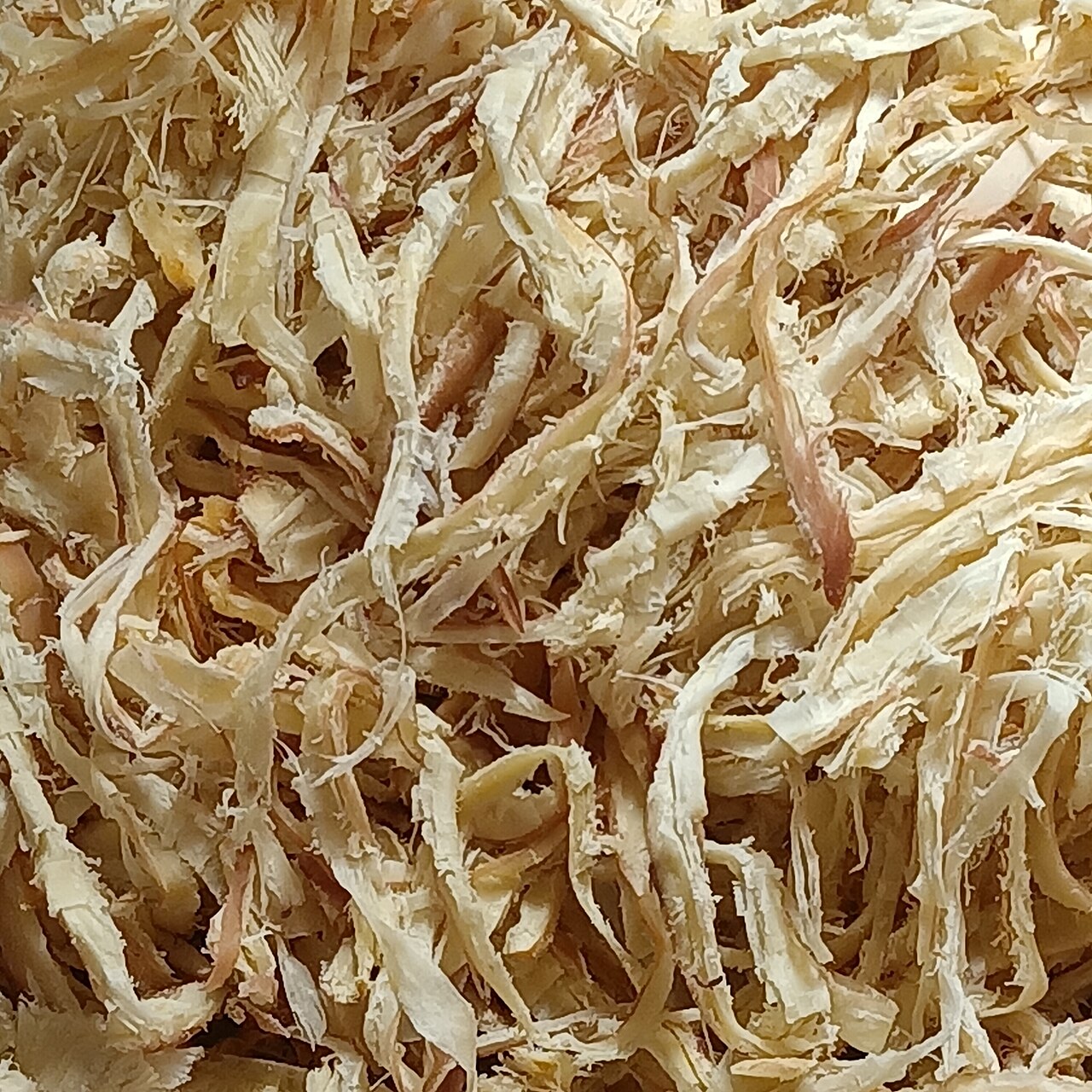
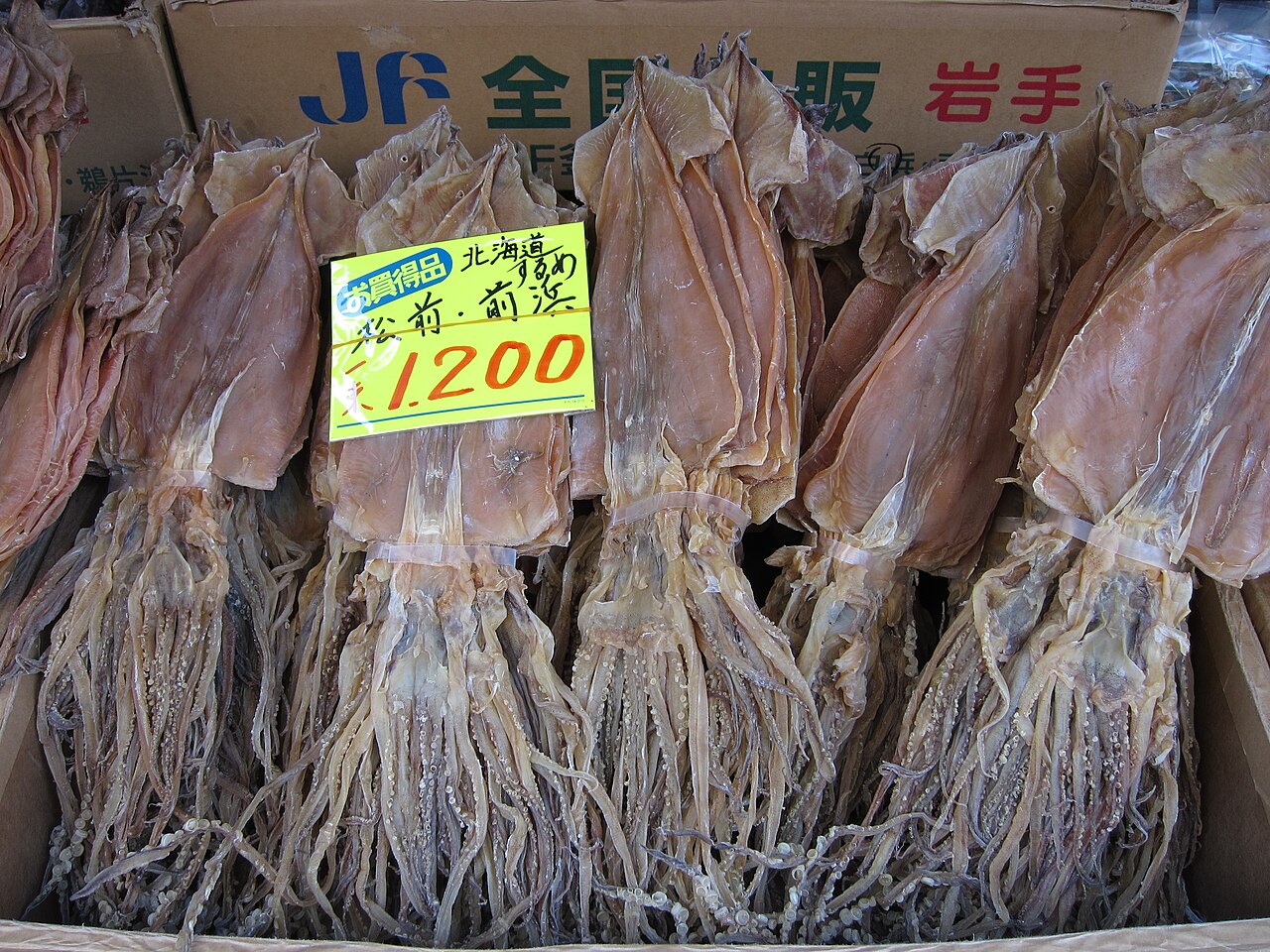
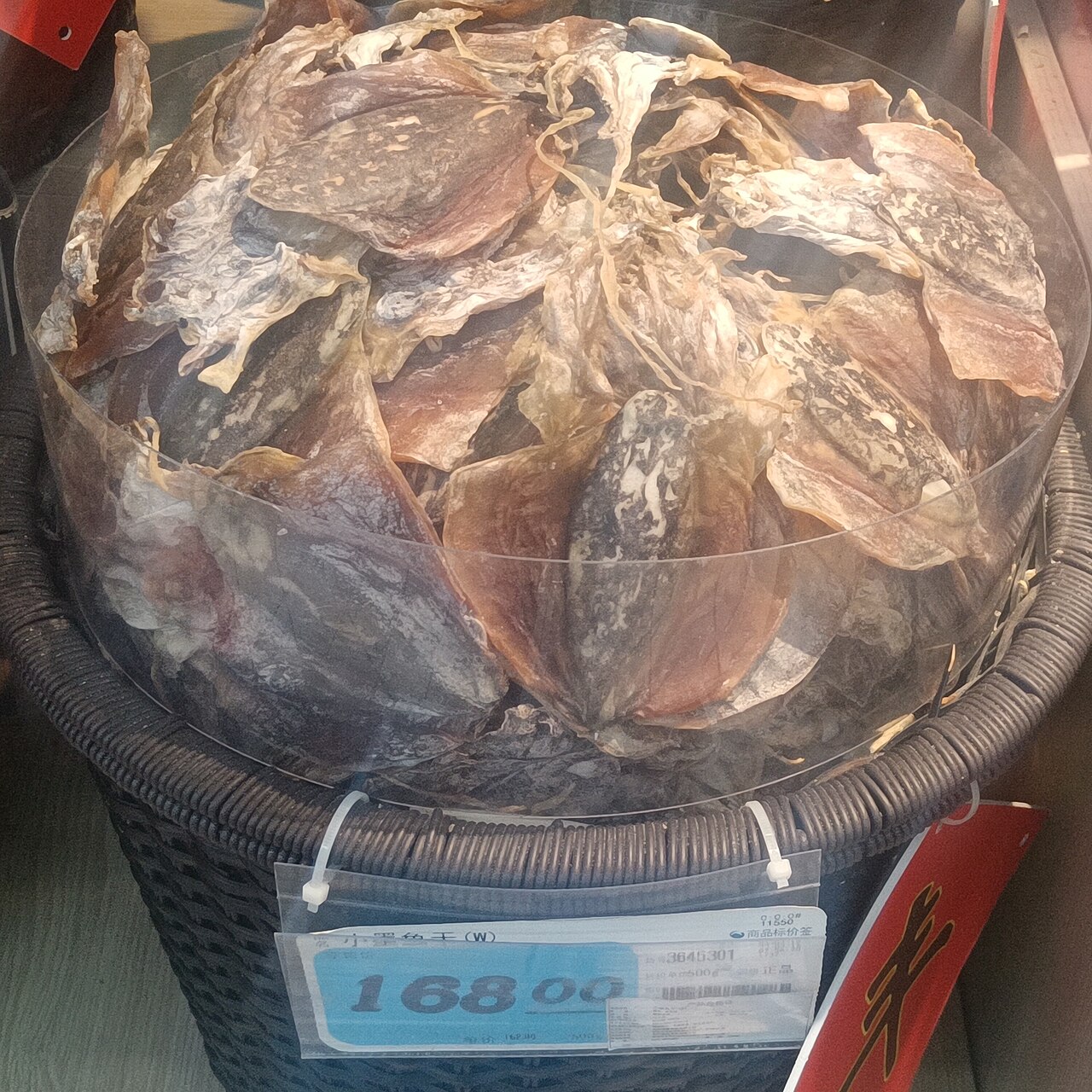
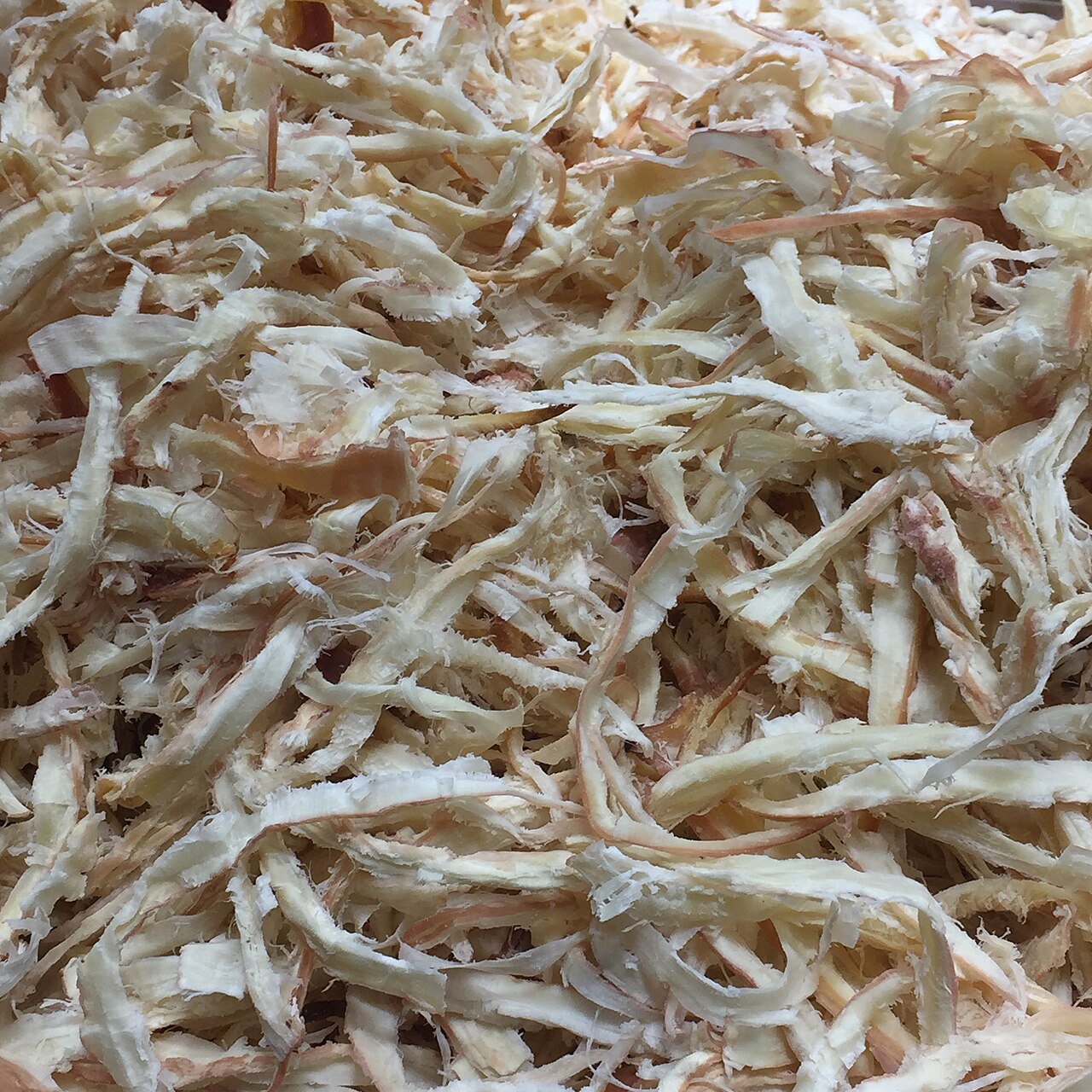
Dried shredded squid, also known as dried shredded cuttlefish, is a snack made from dried and shredded squid or cuttlefish pieces. It is commonly found in coastal Asian countries, Russia, and Hawaii, and has historical roots in the Pacific coastal regions of East Asia and Southeast Asia.
- Also known as
- Dried shredded cuttlefish
- Region
- Coastal Asia, Russia, Hawaii
- Common additives
- Sugar, salt, sorbitol, sweeteners, organic acid, MSG
- Typical moisture level
- 25–27%
- Popularized in Hong Kong
- 1970s
- Tagline in Singapore
- Chewing gum of the Orientals
Lore & Background
Dried shredded squid has been consumed historically in Pacific coastal regions of East and Southeast Asia. In the 1970s, it was popularized in Hong Kong and later sold in Macau as an addition to almond biscuits. In Japan, it is served as otsumami (snack with alcohol), while in Korea it is eaten as anju and banchan, including the dish ojingeochae bokkeum, stir-fried with gochujang, garlic, and mullyeot. In Singapore, it was marketed as 'Chewing gum of the Orientals' by the company Ken Ken in the 1970s, before the 1992 chewing gum ban.
Reader's Guide
Dried shredded squid holds cultural significance as a nostalgic snack for older generations in Singapore, where it was sold in mamak shops before the rise of large supermarkets. Its iconic green and white packaging was displayed in the Images of Singapore museum. The snack is prepared through a multi-step process: cooking at 65–80 °C, cooling and seasoning below 20 °C, drying at 40–45 °C, aging in a cold room, then drying at 110–120 °C, shredding, and final seasoning to a moisture level of 25–27%. Browning increases over storage time, though consumers generally avoid excessive browning. The snack is typically packaged airtight to maintain chewiness. Contamination reports have noted arsenic and other toxic metals in Hong Kong-packaged products.
Did You Know?
- Dried shredded squid is also called dried shredded cuttlefish.
- In Singapore, it was marketed as 'Chewing gum of the Orientals' by Ken Ken before the 1992 chewing gum ban.
- The snack is prepared by cooking at 65–80 °C, then drying at 40–45 °C for 12–20 hours.
- News reports have claimed arsenic and other toxic metals have been found in dried shredded squid packaged in Hong Kong.
A Snack Woven into Generations
In Singapore, dried shredded squid carried a marketing tagline that lodged itself in the collective memory: "Chewing gum of the Orientals." First sold in the early 1960s under the Pon Pon brand and later rebranded as Ken Ken, the seasoned cuttlefish snack became a daily fixture in mamak shops—small neighborhood provision stores that supplied daily amenities and quick bites to local communities. For many older Singaporeans, this chewy, sugar-and-salt-laced treat was the go-to snack before chocolates and chips entered their lives. The iconic green-and-white packaging eventually earned a place in the Images of Singapore museum on Sentosa, cementing its status as a cultural artifact alongside White Rabbit candy and haw flakes. Yet the snack's dominance has eroded. The rise of large chain supermarkets undercut the mamak shops that once stocked it, and a younger, more westernized generation shows less appetite for the traditional flavor. Ken Ken Cuttlefish still shelves in major Singaporean supermarkets, but the community ritual that surrounded it is slowly fading.
The Alchemy of Drying
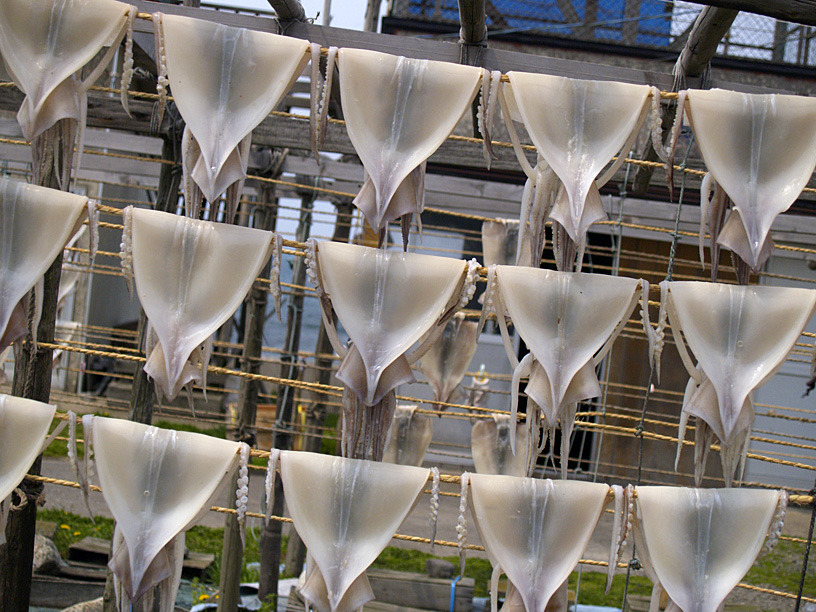
Transforming raw squid into the familiar chewy strip is a multi-stage industrial process. Northern Pacific squid is first separated by part and skinned, then briefly cooked at 65 to 80 degrees Celsius for three to five minutes. After cooling, the flesh is grated and seasoned at temperatures below 20 degrees Celsius for over four hours, with sugar, salt, sorbitol, sweeteners, organic acid, and MSG among typical additives. The mixture then enters a long, low-heat drying phase at 40 to 45 degrees Celsius lasting twelve to twenty hours, bringing moisture down to roughly 40 percent. A cold-room aging period of two weeks or more follows, after which the product receives a brief high-heat pass at 110 to 120 degrees Celsius for three to five minutes. Only then is it machine-shredded, seasoned a second time, and dried once more to a final moisture level of 25 to 27 percent. At this stage the color shifts to yellow or brownish, a change driven by amino acids that become more visible with extended storage. Vacuum or nitrogen-filled packaging accelerates this browning, which most consumers find undesirable.
One Snack, Many Tables
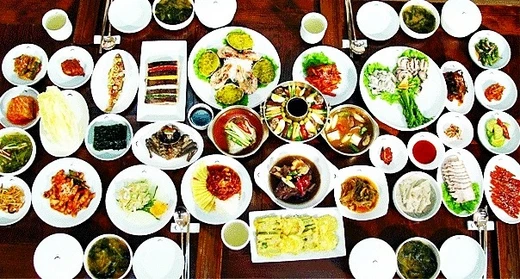
Dried shredded squid occupies a distinct role in each Asian food culture that embraces it. In Japan it is a staple otsumami, the small bite paired with a drink. Korean cuisine treats it as anju—food eaten alongside alcohol—and also as banchan, the array of small side dishes on the table; the dish ojingeochae bokkeum, for instance, stir-fries the shredded squid with gochujang, garlic, and a corn-syrup-like condiment called mullyeot. In mainland China the snack is a light, casual treat, sold in bags across department stores in major cities. Macau added it as a topping to its famous almond biscuit. Hawaii and Russia, along with coastal regions across East and Southeast Asia, also feature the product. The name itself crossed linguistic borders: the Japanese surume and the Chinese yóu yú sī were rendered into English as "dried shredded squid" and stamped onto packages shipped to English-speaking markets, a translation that stuck and became the global default.
Chew, Funk, and the Question of Safety
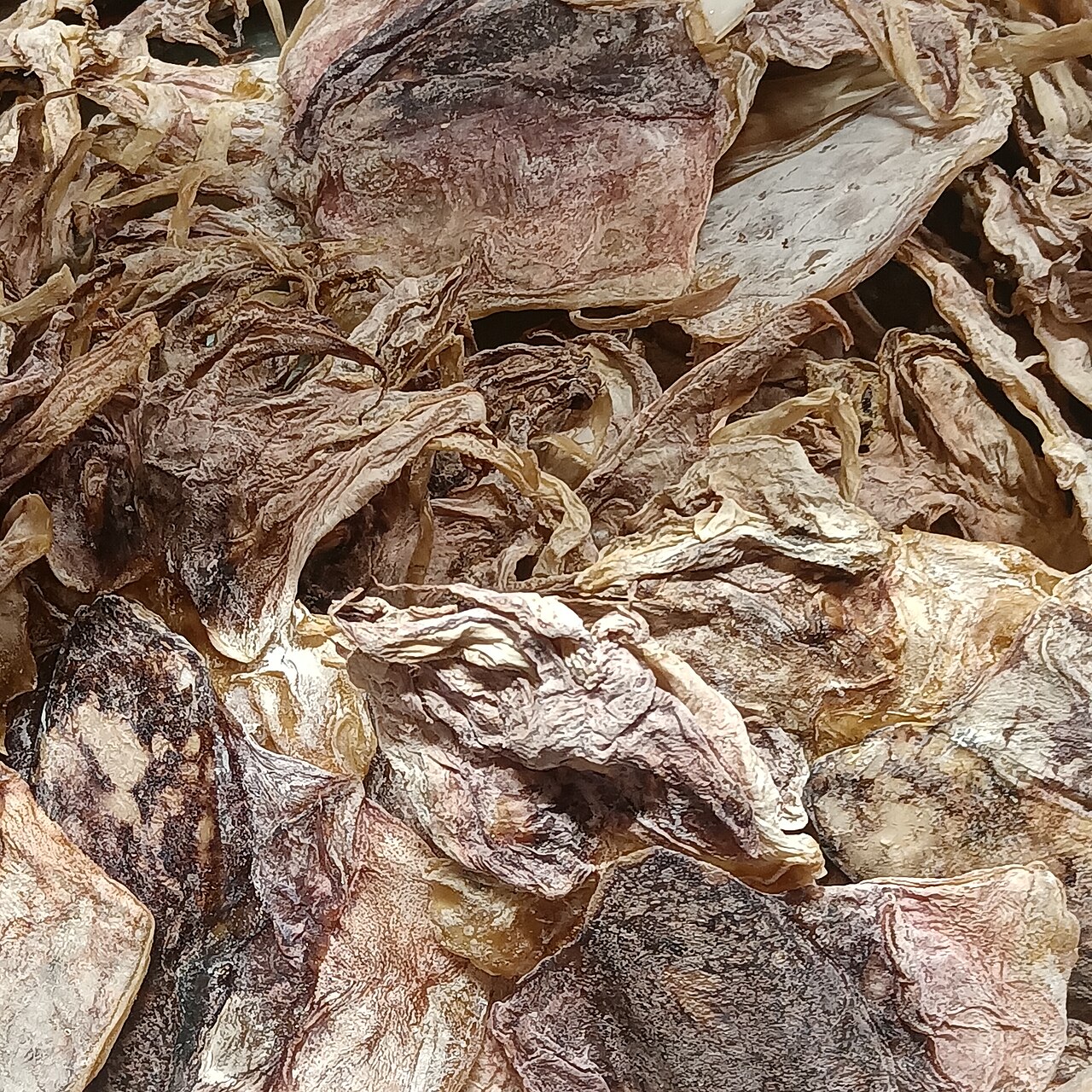
The eating experience of dried shredded squid is defined by a deliberate tension between resistance and flavor. As one critic put it, the fibrous strands are chewy enough to give the jaw a mild workout, while a generous blend of sugar, chili pepper, and salt rounds out what he called the "funky fishiness." Not every dried squid product takes the shredded form; Thai-style rolled squid, for example, is typically made from the smaller, more tender Loligo species rather than the larger squid used for shredding, yielding a noticeably different texture. These variations are enjoyed as snacks throughout East and Southeast Asia. Yet the snack is not without controversy. News reports have flagged concerns about arsenic and other toxic metals detected in dried shredded squid packaged in Hong Kong, raising questions about the safety of a product that millions still reach for as a quick, affordable bite.
Gallery
Frequently Asked Questions
Who is Dried shredded squid?
It is a chewy, seasoned seafood snack made by drying and shredding squid or cuttlefish into small strips. You'll find it across coastal East and Southeast Asia, as well as in places like Russia and Hawaii.
What are Dried shredded squid's powers/role?
Its signature superpower is that intense, long-lasting chew that earned it the nickname 'chewing gum of the Orientals' in Singapore. The seasoning blend typically layers sugar, salt, sorbitol, and MSG to deliver a sweet-salty umami punch with every bite.
How does Dried shredded squid's story end?
Its modern rise to fame kicked off in Hong Kong during the 1970s, when it became a widely recognized street snack. From there it spread across the broader Asian snack market and into Pacific Island food scenes.
Why is Dried shredded squid important?
It represents a centuries-old preservation method from Pacific coastal communities that turned a perishable seafood catch into a shelf-stable, portable treat. Its roughly 25–27% moisture content is the sweet spot that gives it that signature rubbery texture without turning it into a hard, dry strip.
What's Dried shredded squid's origin story?
It traces back to coastal fishing villages in East and Southeast Asia where drying and shredding was a practical way to keep squid and cuttlefish from spoiling. Over generations it evolved from a survival food into a beloved everyday snack enjoyed across the region.
More in Korean cuisine 1-24
Spotted an error? Know more?
This is a living reference — every entry is fact-audited, and reader corrections feed straight into our audit queue. Suggest an edit · See this site's audit record