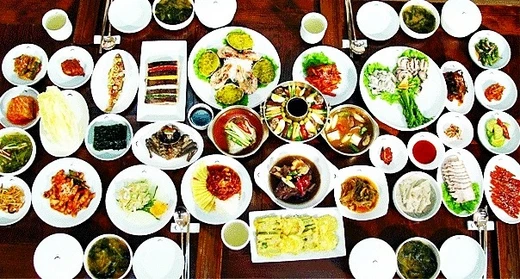
Bulgogi
A Korean grilled beef dish with ancient origins.

Wikipedia / Wikimedia Commons
Bulgogi is a Korean-style grilled or roasted dish made of thin, marinated slices of meat, most commonly beef. It is a popular dish in South Korea, found from upscale restaurants to local supermarkets as pan-ready kits. The name comes from the Korean words 'bul' (fire) and 'gogi' (meat), reflecting its traditional preparation over an open flame.
- Origin
- Goguryeo era (37 BCE–668 CE)
- Type
- Gui (Korean-style grilled or roasted dish)
- Main ingredient
- Beef (sirloin or rib eye)
- Nationality
- Korean
- Known for
- Marinated grilled beef
- Etymology
- From Pyongan dialect, meaning 'fire meat'
Lore & Background
Bulgogi is believed to have originated during the Goguryeo era (37 BCE–668 CE), when it was called maekjeok, with beef grilled on a skewer. During the Joseon period, it was known as neobiani, meaning 'thinly spread' meat, and was traditionally prepared for the wealthy and nobility. The medieval Korean history book Dongguksesi records it under the name yeomjeok, meaning 'fire meat', grilled on a hwaro grill on skewers in pieces about 0.5 cm thick. Today, this original skewered version is called bulgogi sanjeok.
Reader's Guide
Bulgogi is a cornerstone of Korean cuisine, reflecting both historical continuity and modern adaptation. Its origins in the Goguryeo era and evolution through the Joseon period highlight its deep cultural roots. The dish became popular in Seoul and other parts of South Korea after being introduced by refugees from Pyongan Province, North Korea. Its inclusion in English-language dictionaries like Merriam-Webster (dating its appearance in American English to 1961) and the Oxford Dictionary of English underscores its global recognition. Bulgogi's versatility—from traditional grilling to pan-cooking and even fast-food hamburgers—demonstrates its enduring appeal. The dish is central to Korean barbecue restaurants, where diners cook it themselves at table grills, and it is commonly enjoyed on special occasions or in social settings. Its marinade, which varies by chef and family, typically includes soy sauce, sugar, sesame oil, garlic, and often pureed fruits as tenderizers. Spicy variations using gochujang are common, especially with pork. Bulgogi's legacy lies in its ability to bridge ancient culinary traditions with contemporary tastes, making it a beloved dish both in Korea and internationally.
Did You Know?
- Bulgogi is derived from the Pyongan dialect and is a delicacy of Pyongan Province, North Korea.
- The word 'bulgogi' was listed in the 1947 edition of the Dictionary of the Korean Language as meat grilled directly over a charcoal fire.
- Merriam-Webster dates the word's appearance in American English lexicon to 1961.
- Bulgogi was originally called maekjeok during the Goguryeo era and was grilled on a skewer.
Etymology and the Word's Global Journey
The name bulgogi is a straightforward Korean compound: bul meaning "fire" and gogi meaning "meat," together yielding the literal sense of "fire meat." The term traces back to the Pyongan dialect, reflecting the dish's roots as a regional delicacy of Pyongan Province in what is now North Korea. Refugees from that region carried the recipe to Seoul and other parts of the South, where it quickly became a national favorite. The 1947 edition of the Dictionary of the Korean Language defined the word as meat grilled directly over a charcoal fire, while the later Standard Korean Language Dictionary, published by the National Institute of Korean Language, updated the definition to specify thinly sliced, marinated meat grilled over a fire. The word has since crossed into English, appearing in both the Oxford Dictionary of English and the Merriam-Webster Dictionary, which dates its first appearance in American English to 1961. Even pronunciation varies by region, with British speakers tending toward BUUL-gog-ee and American speakers toward BOOL-goh-ghee, a small reminder of how a Pyongan kitchen term became a globally recognized culinary word.
From Royal Skewers to the Modern Grill
Bulgogi's story stretches back to the Goguryeo era, spanning from 37 BCE to 668 CE, when the dish was known as maekjeok and prepared by grilling beef on a skewer. During the later Joseon period, it took on the name neobiani, a term meaning "thinly spread" meat, and was reserved almost exclusively for the wealthy and the nobility. The medieval Korean history book Dongguksesi records the dish under yet another name, yeomjeok, translating to "fire meat," and describes it being grilled barbecue-style on a hwaro grill, threaded onto skewers in pieces roughly half a centimeter thick. Although the skewered method has largely fallen out of everyday use, the original preparation survives today under the name bulgogi sanjeok, preserving a direct link to those early Goguryeo and Joseon practices. Over the centuries, the dish transitioned from an elite, court-adjacent delicacy to a staple enjoyed across South Korean society, a transformation that mirrors the broader democratization of Korean cuisine.
The Art of the Marinade
At its core, bulgogi is a study in thin slicing and patient marination. The preferred cuts are sirloin and ribeye, chosen for their tenderness and ease of slicing into delicate pieces, though chicken and pork—particularly the fatty, tender cut known as samgyeopsal—also feature prominently. Before any heat is applied, the meat soaks in a marinade built on soy sauce, sugar, sesame oil, garlic, and ground black pepper, often enriched with scallions, ginger, onions, New World peppers, or mushrooms such as white button or the prized matsutake. To further break down the fibers and add a subtle sweetness, cooks frequently blend in pureed pears, pineapple, kiwi, or onions, and may sweeten the mixture with corn syrup or honey. Marinating time is not fixed: most home cooks leave the meat for under an hour, while some chefs prefer an overnight rest in the refrigerator. Spicy versions, especially those using pork, incorporate gochujang—a paste of chili powder, rice, fermented soybeans, barley, and salt—into the marinade. Recipes shift from chef to chef and family to family, making no two bulgogi preparations quite identical.
Bulgogi at the Table and Beyond
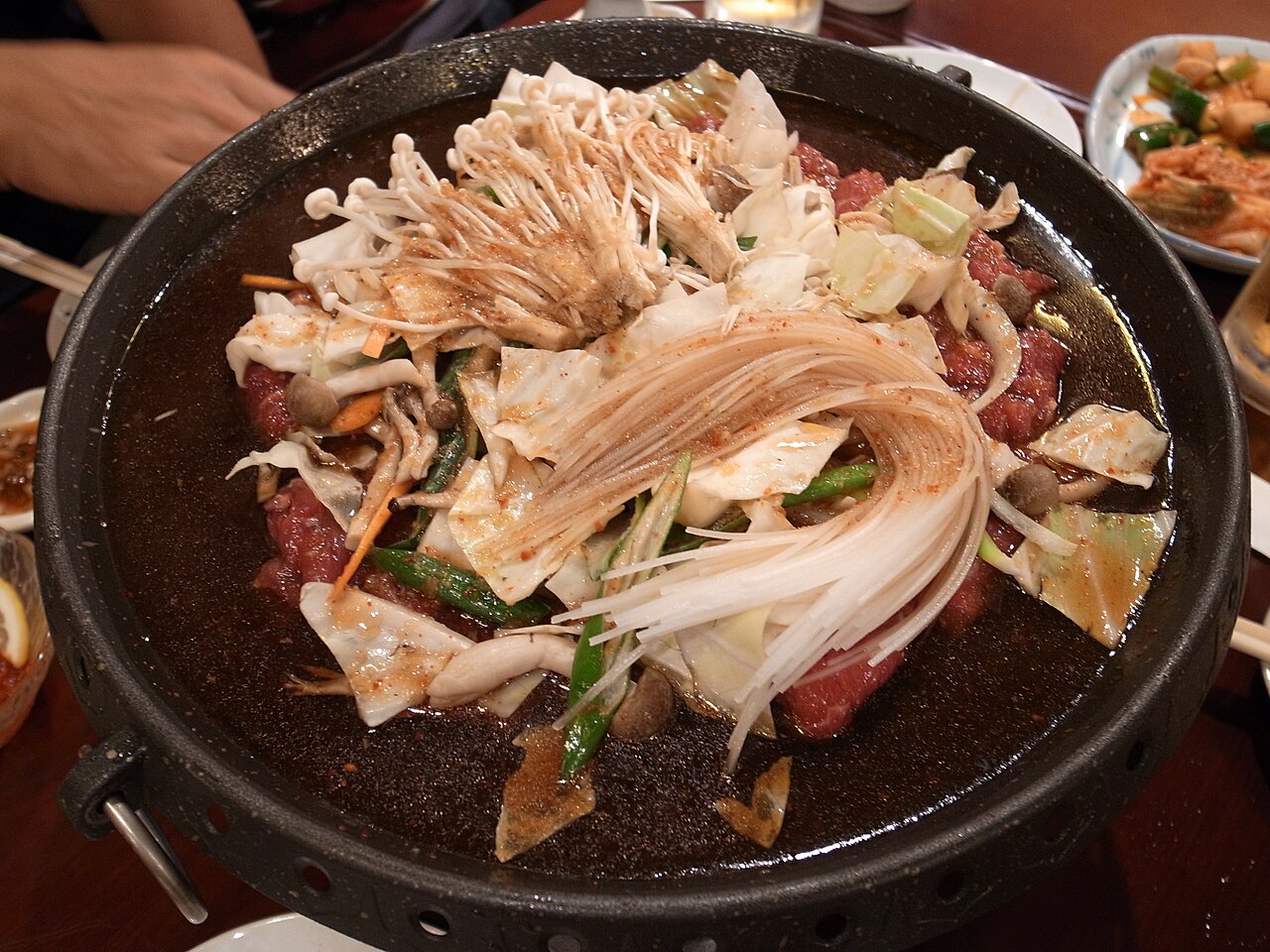
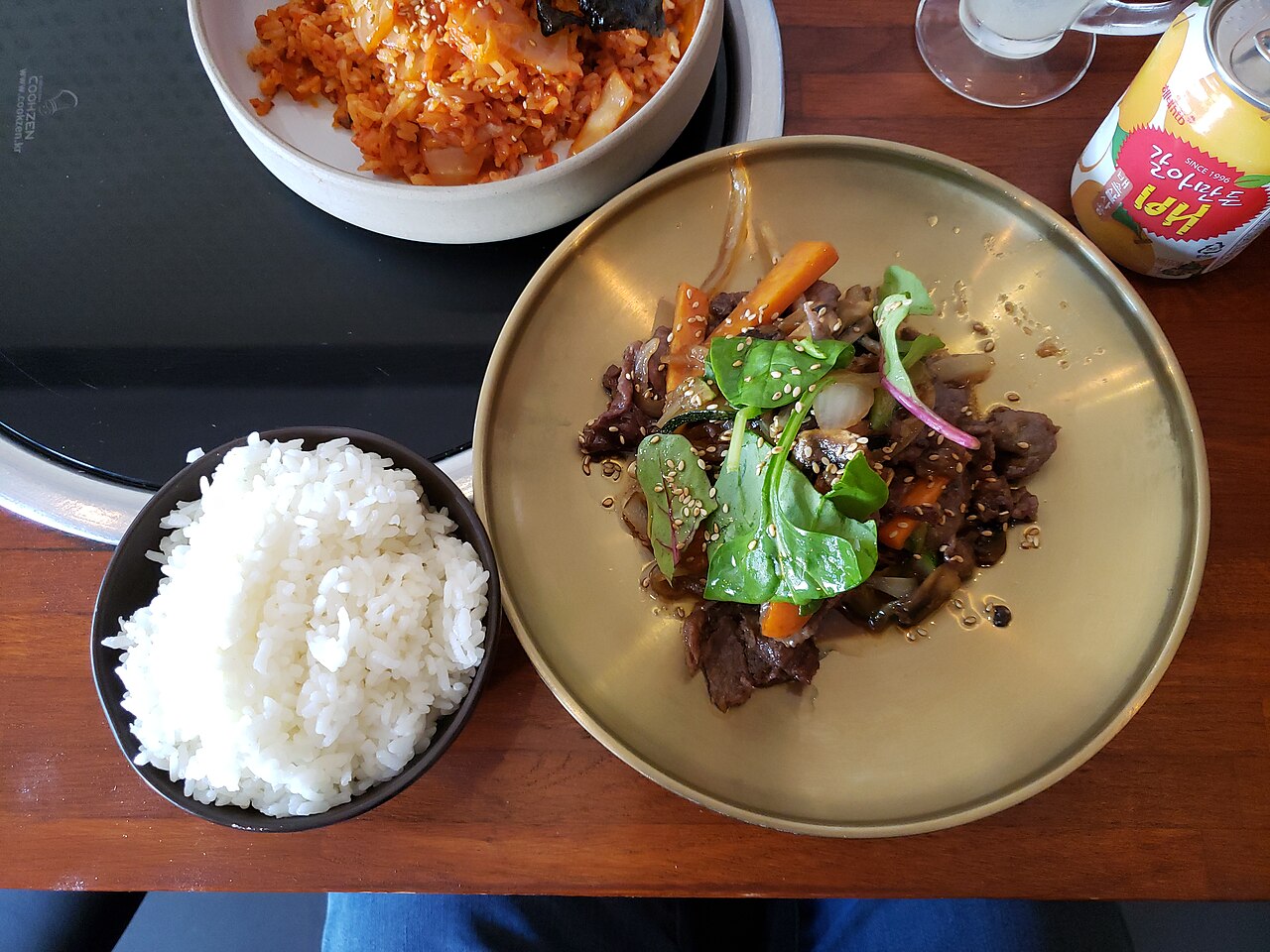
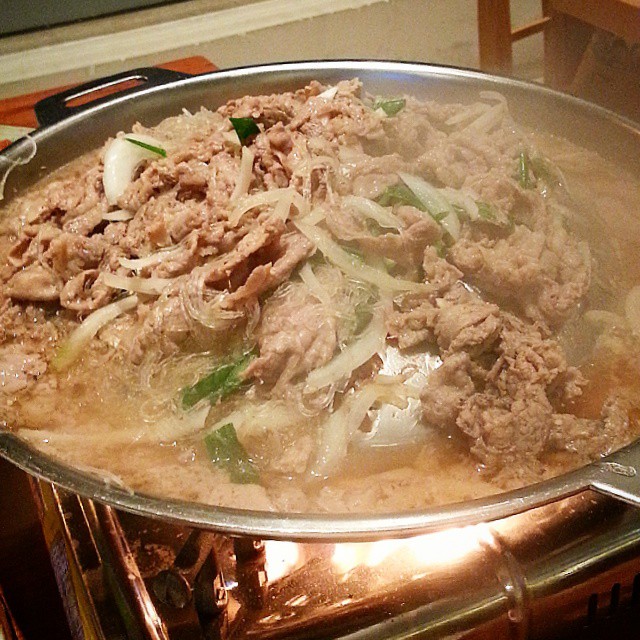
In South Korea, bulgogi occupies a place that spans the full spectrum of dining. It appears in upscale restaurants and is equally available as a pan-ready kit on supermarket shelves. In Korean barbecue establishments, diners sit around a table with a grill built into its center, order raw, marinated meat, and cook it themselves at the table. It is common for each person to pick pieces directly off the grill or to serve one another, turning the meal into a communal, interactive experience. The dish is eaten year-round, though grilling marinated meat together is especially associated with special occasions and social gatherings. Traditionally served alongside rice, egg soup, and kimchi, bulgogi is also paired with lettuce or other leafy greens that diners use to wrap a slice of cooked meat, a dab of ssamjang, and a spoonful of rice into a single bite. The dish's cultural reach extends even to fast food: many South Korean fast-food chains sell hamburgers whose patties are marinated in bulgogi sauce and topped with lettuce, tomato, onion, and sometimes cheese, proving that "fire meat" has become as much a flavor identity as a cooking method.
Gallery
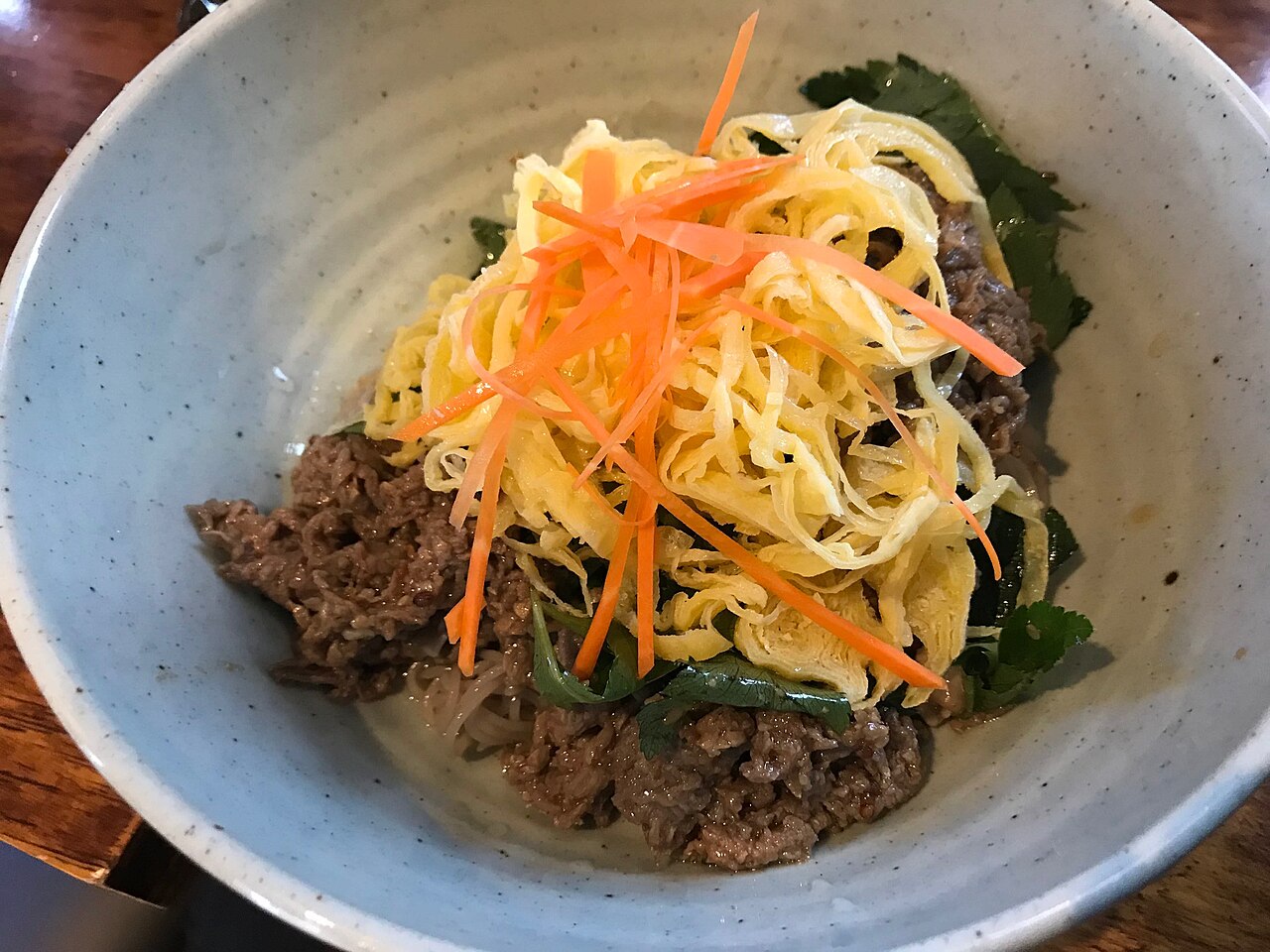
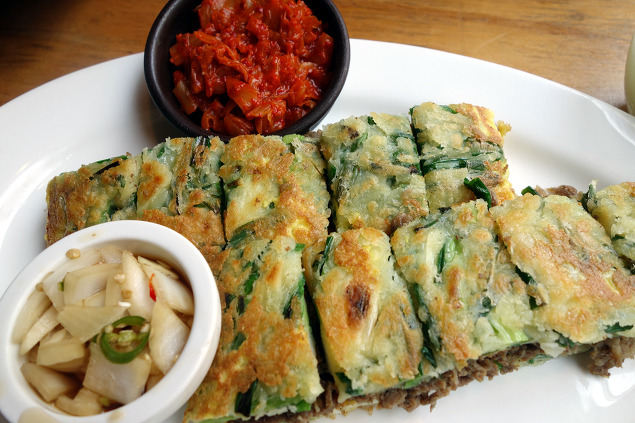
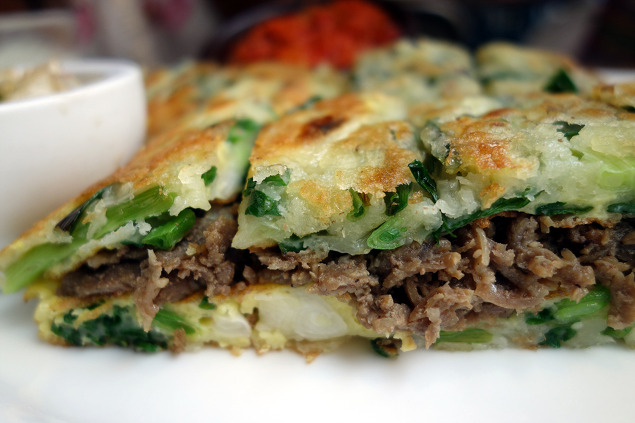
Frequently Asked Questions
Who is Bulgogi?
Bulgogi is a classic Korean grilled beef dish whose name literally translates to 'fire meat' from the Pyongan dialect. It has been a recognized part of Korean culinary tradition since at least the Goguryeo era (37 BCE–668 CE), making it one of the oldest named dishes in the country.
What are Bulgogi's powers/role?
Bulgogi's signature move is thin-sliced beef—typically sirloin or rib eye—marinated and then seared over an open flame or grill. It belongs to the 'gui' category of Korean cooking, which covers all grilled and roasted preparations.
How does Bulgogi's story end?
Bulgogi typically reaches its finale on the dining table, served sizzling alongside lettuce, sesame oil, and garlic so diners can wrap each bite themselves. In modern South Korea it also 'lives on' as pre-marinated kits sold in supermarkets for quick home meals.
Why is Bulgogi important?
Bulgogi sits at the intersection of Korean fine dining and everyday home cooking, appearing in everything from high-end restaurants to gas-station meal kits. Its centuries-old lineage and simple 'fire plus meat' concept make it a cultural touchstone that instantly signals Korean identity.
What's Bulgogi's origin story?
Bulgogi traces its roots back to the Goguryeo period, when meat was traditionally cooked over open fires. Over centuries it evolved into the marinated, thinly sliced preparation recognized today, while its name was preserved from the Pyongan regional dialect.
More in Korean cuisine 1-24
Spotted an error? Know more?
This is a living reference — every entry is fact-audited, and reader corrections feed straight into our audit queue. Suggest an edit · See this site's audit record