Dosirak
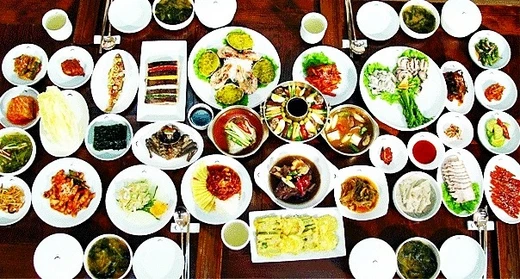
Korean packed lunch with rice and side dishes.
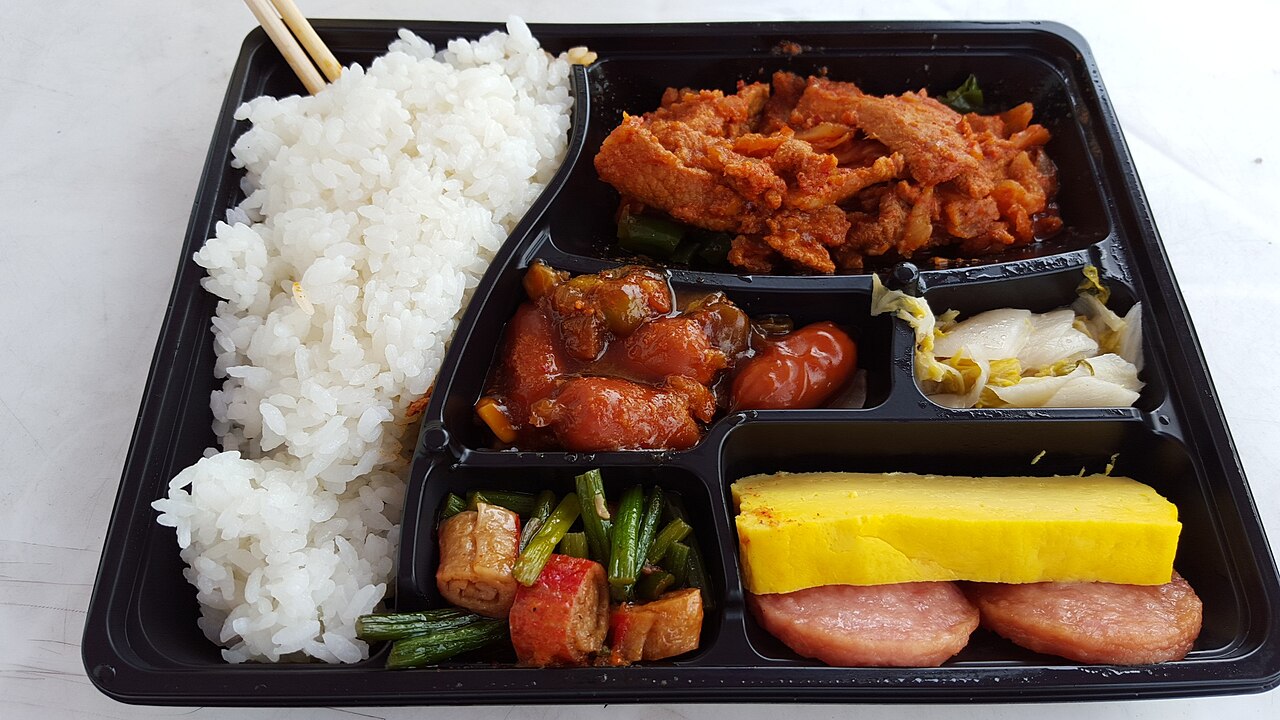
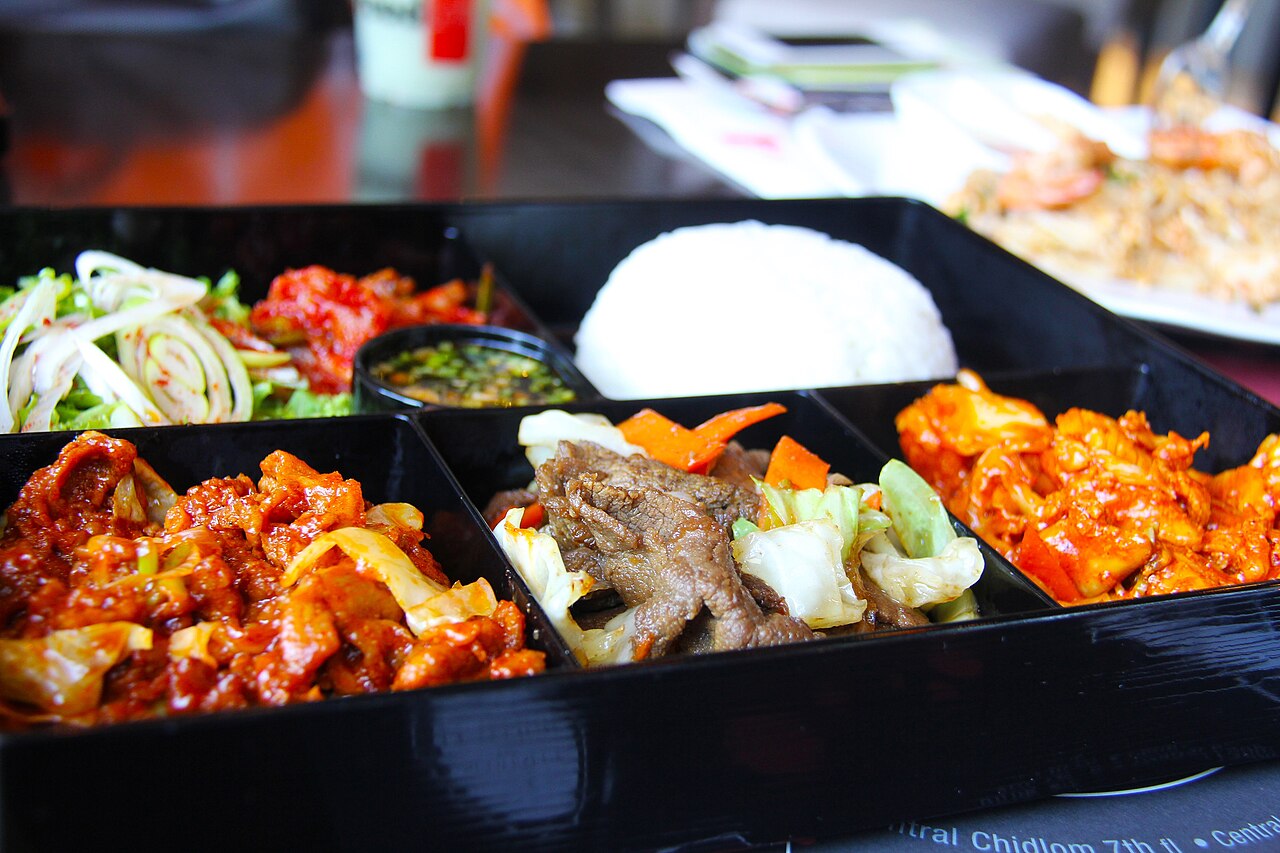
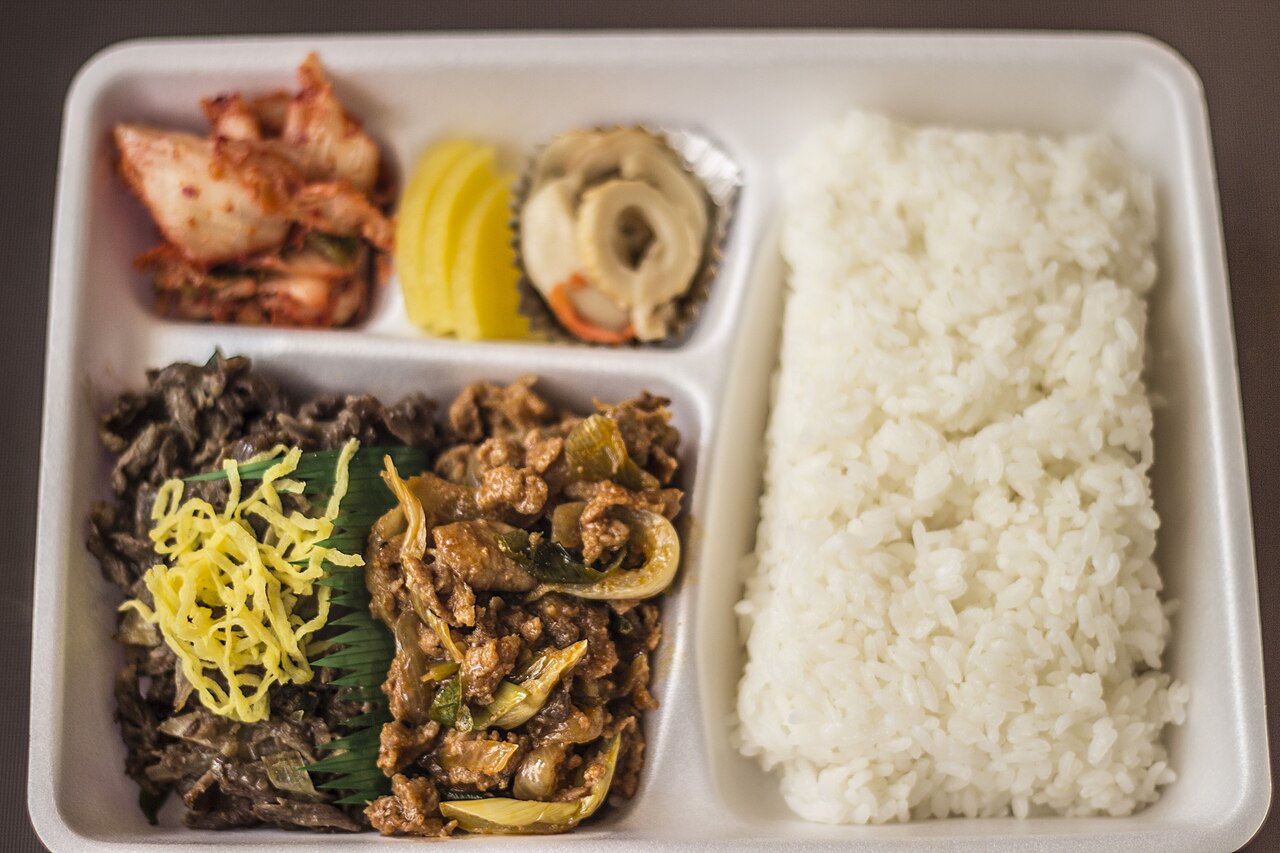
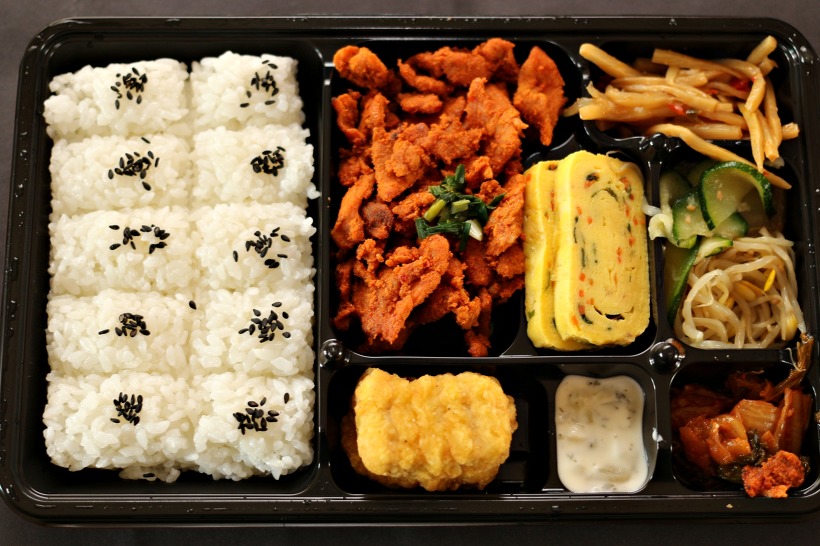
Dosirak (Korean: 도시락) refers to a packed meal, often for lunch, consisting of bap (cooked rice) and several banchan (side dishes). The lunch boxes, also called dosirak or dosirak-tong, are typically plastic or thermo-steel containers. Dosirak is often home-made but also sold in train stations, convenience stores, and some restaurants. It is derived from the Early Modern Korean word 도슭, with records dating to the 18th century attesting to this and other variations. The modern dosirak can be seen as the Korean form of lunch boxes.
- Origin
- Korea
- Earliest attested term
- 18th century (도슭)
- Historical forms
- Tumak (bamboo/wood box), chanhap (nobility)
- Modern introduction
- Japanese occupation of Korea (1910–1945)
- Common materials
- Plastic, thermo-steel, tinplate, German silver
- Key varieties
- Yennal-dosirak, Gimbap-dosirak
Lore & Background
During the Joseon era, peasants and soldiers carried lunch in simple woven bamboo or wood tumak boxes when away from home. As Korea industrialized, dosirak became the common term for any lunchbox used by the working classes. The modern form was introduced during the Japanese occupation (1910–1945), when Korean cuisine adopted Western and Japanese food items such as bento and norimaki sushi (gimbap).
Reader's Guide
Dosirak reflects Korea's social and economic history. After the Korean War, scarce raw materials led to simple tin lunchboxes made from scrap metal, used by parents sending children to school. The food would jumble together during transit, and students would warm their dosirak on radiators in winter. As Korea prospered, dosirak fell out of favor as the province of the poor, but health-conscious modern Koreans later revisited packed lunches, initially using Japanese-style bento boxes. In the early 2000s, the mixed-up taste of old-style aluminum dosirak returned as nostalgic comfort food, with modern pocha serving it shaken at the table to simulate the mixing from transit. This revival contrasts with sterile Japanese bento and fancy Michelin-starred restaurants, highlighting dosirak's role as a symbol of innocence and simplicity.
Did You Know?
- Dosirak is derived from the Early Modern Korean word 도슭, with records dating to the 18th century.
- During the Japanese occupation (1910–1945), Korean cuisine adopted bento and norimaki sushi, popularized as gimbap.
- After the Korean War, tin lunchboxes made from scrap metal were used, and food would become jumbled during travel.
- In the early 2000s, old-style aluminum dosirak came back as nostalgic comfort food, shaken at the table in modern pocha.
Etymology & Cultural Roots
The term dosirak traces back to the Early Modern Korean word 도슭, with historical records from the 18th century confirming its usage alongside variant forms such as 밥고리 and 밥동고리. While the specific Korean word has deep roots, the broader practice of packing meals for consumption away from home is by no means exclusive to Korean culture. The modern dosirak essentially represents Korea's own iteration of the universal lunch box concept, standing alongside Japanese bento, Chinese biandang, and other packed-lunch traditions found across the world. What distinguishes the Korean version is its characteristic composition: bap (cooked rice) paired with an assortment of banchan (side dishes), creating a balanced, self-contained meal. The containers themselves—whether plastic, thermo-steel, or more traditional materials—serve as the physical vessel that defines the dosirak experience, with or without internal compartments or tiers to separate components.
From Bamboo to Tin — A Working-Class Meal
During the Joseon dynasty, the act of carrying a packed lunch was far from glamorous. While the aristocracy dined from the more elaborate chanhap, ordinary peasants and soldiers relied on a simple woven bamboo or wooden tumak box to sustain them through long days away from home. The modern form of dosirak, however, arrived during the Japanese occupation of Korea between 1910 and 1945, a period when Korean food culture absorbed Western influences and Japanese items like bento and norimaki sushi, the latter eventually becoming the beloved gimbap. After the Korean War and the subsequent occupation, scarcity drove a practical shift: cheap tin lunchboxes fashioned from scrap metal became the norm. Parents packed these undivided aluminum containers with rice, banchan, and a modest portion of protein for their children's school lunches. The inevitable jumbling of ingredients during the walk to school became a defining sensory memory, and in winter, students would set their boxes atop radiators to keep the food warm until the midday bell.
The Nostalgia Revival
As Korea's economy boomed and prosperity became widespread, the humble dosirak suffered a cultural demotion. Affluent workers and students increasingly chose to eat out, and the packed lunch became associated with poverty and necessity. Yet the tide turned in the early 2000s, when a wave of nostalgia reclaimed the mixed-up, jumbled flavors of the old aluminum boxes as a form of comfort food—a taste of childhood innocence and simplicity. Modern pocha seized on this sentiment, deliberately reintroducing the dish as a counterpoint to the meticulously arranged Japanese bento and the refined presentations of Michelin-starred restaurants. In a theatrical touch, servers shake the sealed box at the table, recreating the chaotic mixing that once happened naturally during a student's commute. This performative act transforms a once-humble meal into a deliberate, celebratory experience, honoring the sensory memory of ingredients tumbling together in a simple tin container on a cold winter morning.
Varieties and the Art of Packing
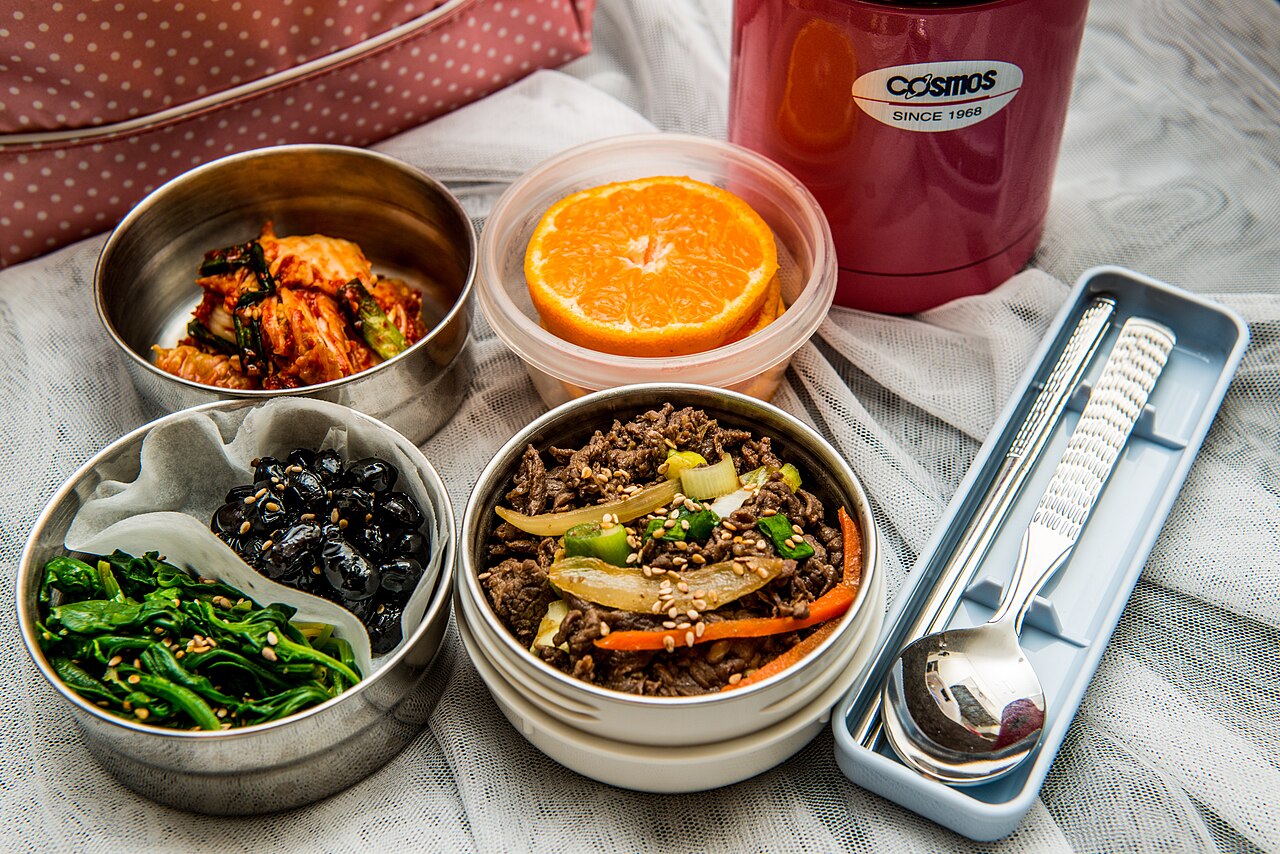
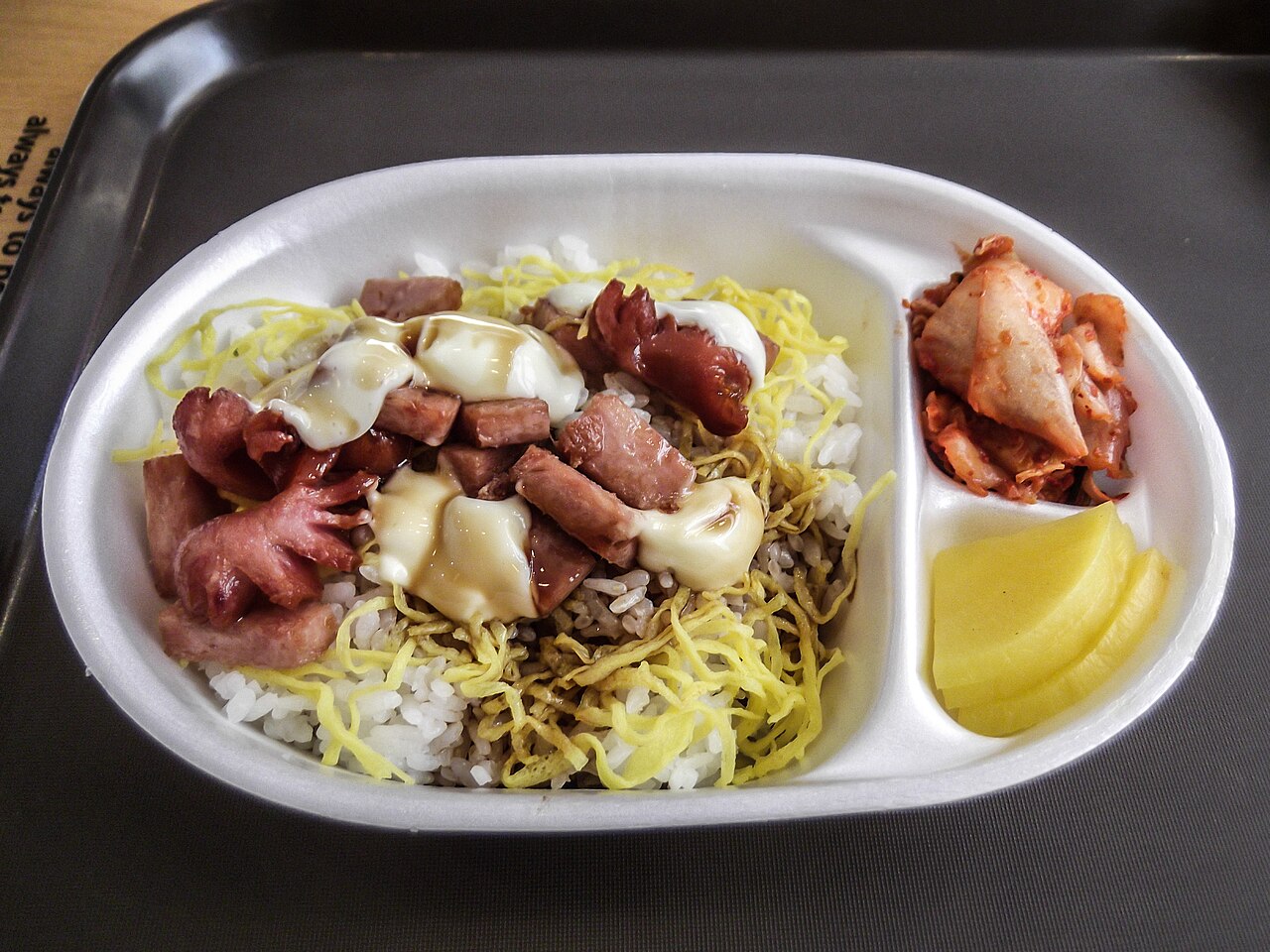
The dosirak tradition offers a spectrum of presentations, from the practical to the performative. Home-made versions typically employ tiered lunch boxes—plastic or thermo-steel being the most common, though wood and lacquer, ceramics, and bamboo combinations also appear—that neatly separate bap from an array of banchan. A dedicated soup tier, when included, relies on insulation to maintain warmth. The yennal-dosirak, or 'old-style dosirak,' is a deliberate homage to the past: stir-fried kimchi, egg-washed pan-fried sausages, fried eggs, and shredded gim are packed into a rectangular tinplate or German silver box, then shaken with the lid secured to blend the flavors before eating. At the other end of the spectrum, gimbap-dosirak features neatly sliced gimbap rolls, a choice particularly popular for outdoor picnics. Whether sold at train stations and convenience stores or lovingly assembled at home, the dosirak remains a versatile, everyday meal that bridges generations.
Gallery
Frequently Asked Questions
What is Dosirak?
Dosirak is the Korean term for a packed lunch box that pairs cooked rice (bap) with an assortment of side dishes (banchan). It functions as Korea's everyday equivalent of a boxed lunch or sandwich for midday meals.
Where does the word 'Dosirak' come from?
The name traces back to the Early Modern Korean word 도슭, with written records of this and similar variations dating to the 18th century. The modern form of the dosirak took shape during the Japanese occupation of Korea between 1910 and 1945.
What are the main varieties of Dosirak?
Two well-known types are yennal-dosirak, which features a wider spread of banchan alongside the rice, and gimbap-dosirak, centered on seaweed-wrapped rice rolls. The containers themselves are typically made from plastic, thermo-steel, tinplate, or German silver.
How did Dosirak evolve over time?
Before the modern box, commoners carried their meals in bamboo or wooden containers called tumak, while the nobility used a related format known as chanhap. The shift toward standardized portable lunch boxes came with the modern era, particularly during the early 20th century.
Where can you actually get a Dosirak?
Although many households still prepare dosirak at home, they are readily sold at train stations, convenience stores, and select restaurants across Korea. This makes it one of the most accessible grab-and-go meal options in the country.
More in Korean cuisine 1-24
Spotted an error? Know more?
This is a living reference — every entry is fact-audited, and reader corrections feed straight into our audit queue. Suggest an edit · See this site's audit record